
For many students, college is an exciting new chapter – a chance to learn, grow and step into a new atmosphere full of independence. But for first-generation college students, that chapter often begins without a direct sense of guidance.
From learning how to apply for financial aid, to understanding the pressure that comes with meeting academic expectations, being the first in your family to attend college means figuring certain things out on your own, often through learning from your mistakes.
Stated by Trellis Strategies, “First-Generation Experience: Insights From The Student Financial Wellness Survey" by Lydia Mentzer, 68% of first-generation college students worry about how they would pay for school and 24% weren’t sure how they would cover their next semester’s costs.
At IU Indianapolis, 30.2% of students make up our first-generation population; which is an important part of the campus community. They are innovators – students determined to build a new pathway not only for themselves, but for the families and communities that raised them.
“As a first-generation student, my motivation for attending and staying in college is being a role model for my younger sister, in hopes that she will pursue a college degree someday," said Fernada Alonso, a first-generation student majoring in visual communication design. “My parents have sacrificed a lot to help me get here, and I know my future is bright.”
The journey going through higher education often looks different for many individuals. Without family members who have gone through the same process, many first-generation students face unique and emotional academic challenges. They tend to carry the pressure of success, the weight of expectations and the hope for those who will come after them.
“When I first started college, I didn’t know where to begin,” said Areyanna McTier, a junior majoring in social work. “I felt I was walking into this new atmosphere blind. None of my family had attended college before, so I couldn’t really ask them for advice on which direction I should be going and how to navigate this life on campus. Everyone around me seemed to understand who to go to and what to do when they had problems, and I had to figure it out on my own. Plus with the help of my advisor.”
For students in similar situations to Areyanna, the first semester can feel like a tightrope or a storm of continuous doubts. The struggle of managing assignments, jobs, confusion and the stress of do they belong or are they doing enough always lingers.
“Imposter syndrome is not actually a syndrome, but instead is a feeling that one is an ‘intellectual’ fraud or imposter in their given field of work or study.” said Stephanie Andel, PH.D, who is an assistant professor in the Department of Psychology.
For many first-generation college students, these feelings can be even stronger. Without family members who’ve gone through college to relate or reassure them, they frequently feel out of place or undeserving of their achievements. The pressure to succeed while figuring everything out on their own can quietly feed the repeated cycle of doubt.
Statistically proven by Andel, imposter syndrome is 73% more common among college students, particularly those from underrepresented backgrounds or those who are usually the first to attend college in their family. Even when grades are strong and professors are encouraging, the constant thoughts of “Am I enough?” “Do I belong?” or “Is this even meant for me?” can cause so much harm to a person’s mental health.
“There were many moments where I thought about dropping out,” McTier explained. “Not only because I didn’t think I was capable, but also because I didn’t think I fit in. Everyone else seemed more prepared than me in all aspects, but I had to repeatedly remind myself that I’ve earned my spot here and will continue to keep it.”
The academic transition can be overwhelming for everybody at some point, but what first-gen students often lack in guidance, they make up for in resilience. They learn to adapt quickly, reaching out to professors, building time management skills, depending on campus resources and peers that are understanding in this journey.
According to the IU Indianapolis First-Generation Student Resources Program, "You're the first in your family to go to college, and that's something to celebrate. However, sometimes it may feel difficult navigating campus and finding answers. We're here to support you and encourage your success at IU Indianapolis."
Morgan Wilson, a senior and business major, said the First-Generation Resource Center helped her find her footing.
“It gave me a sense of belonging,” she said, smiling. “Hearing other people’s stories made me realize that I wasn’t the only one trying to figure things out.”
Finding footing on campus doesn’t happen overnight. It's a process – a process that includes mistakes, late nights and moments of doubt. But for many first-generation students, these challenges become a part of their growth. They help them to reconsider what success looks like; not just perfect grades, but the progress and lessons you have learned through your trial and errors. Alan Tyson, a Ph.D. student in music technology, gave advice for other first-generation students.
“My advice to other first-generation students is to be and stay humble. A continuous posture of humility positions you to learn more than you could ever imagine.” He also explained. “Also, don’t be afraid to ask questions, even about money. When I first started college, I was focused more on getting accepted than getting scholarships and doing the work for my courses.”
Beyond academics, mental health plays a major role in the college experience but specifically for first-generation students. Balancing the expectations of family finances and school can create constant pressure. For some, the thought of letting their families down can be heavier than the workload itself.
“My mom sacrificed so much to get me here and seeing the paycheck-to-paycheck lifestyle severely impacted me and motivated me to go to college,” said Dimond Gary, a senior and nursing major. “My family may not always understand what I’m going through, but I know that they want the best for my brother and I. When I feel overwhelmed, I think about how proud they’ll be when I walk across the stage with my nursing degree."
There are support systems all over campus ranging from the First Gen Resource, to the Student Mental Health Resource (CAPS) and the various student organizations(First Generation Student Law Society, 21st Century Scholar, Sigma Psi Zeta Sorority inc, TRIO program, and many more at TheSpot) here on campus.
Many colleges have recently dedicated initiatives that will connect first-generation students with resources, tutoring and various community events. These spaces allow first generation students to share experiences, find their footing and learn tools and strategies to navigate their path on college successfully.
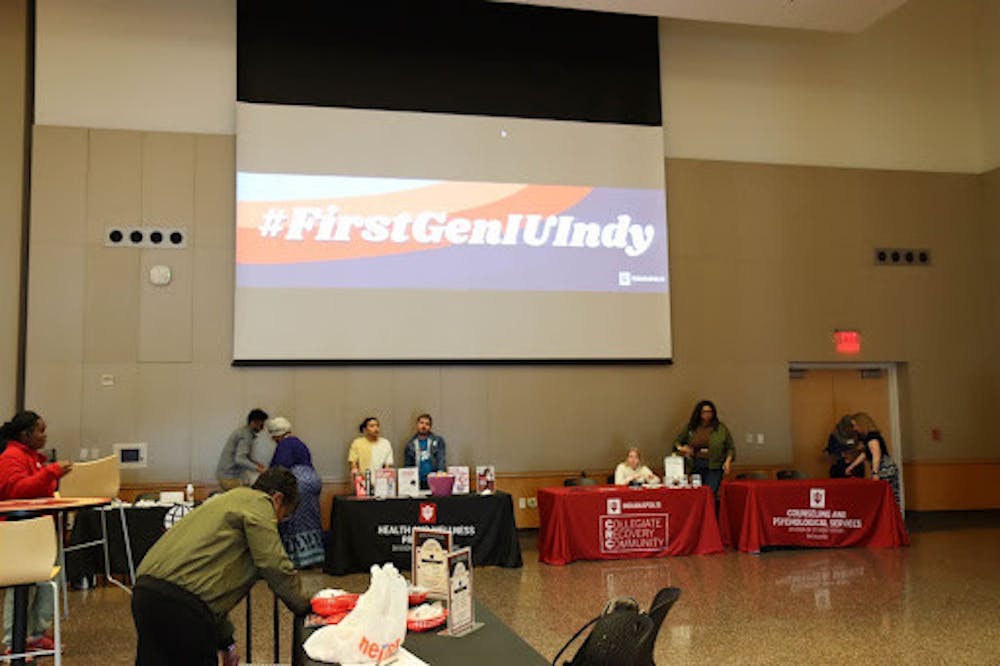
At IUI, the upcoming First-Generation Celebration on Nov. 4 in Taylor Hall will bring these different experiences and resources to the forefront. This event will feature stories and celebration between peers and community, all while giving recognition to our first generation students on campus. All while keeping the reminder alive, that being the first to achieve is something to be proud of.
Regina Graves, a junior majoring in journalism with a concentration in public relations and a minor in media art studies. She is the social media manager for PRSSA. Beyond her role in social media, Regina enjoys reading and exploring new habits that help her disconnect from technology.

Making space to create: Why Herron’s National Portfolio Day belongs to the whole campus
By Sarah Pinckard | Sept. 10Herron School of Art and Design will host National Portfolio Day on Saturday, giving prospective students a chance to present their work to art and design schools from across the country accredited by the National Association of Schools of Art and Design. The event runs like a college fair, with students meeting representatives from the schools they choose and looking for the place they fit as an emerging artist.
The study abroad fair: opportunity beyond U.S. borders
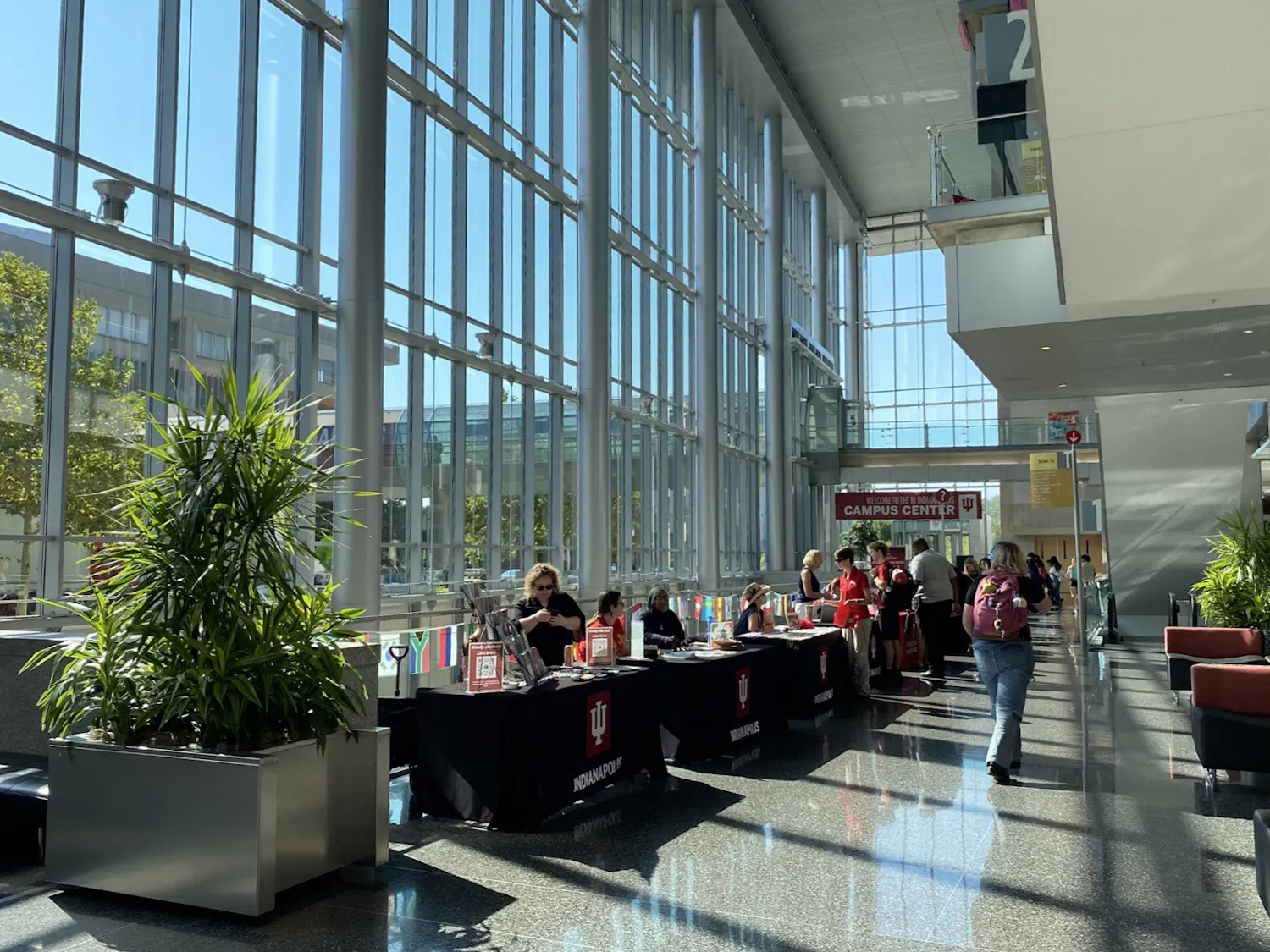
By Devin Bates | Sept. 7The Division of Student Affairs is holding a series of welcome and opportunity events for students as part of Weeks of Welcome, a two-week run of expos and programs at the start of the semester aimed at getting students involved on campus and abroad.

Troi Wharton had to learn how to walk again. Ten years later, she walked the Kelley graduation stage.
By Salsabil F. Qaddoura | May 31Troi Wharton remembers the first time people noticed she could not walk straight. It was 2016, and Pokémon Go had taken over the summer. Wharton, then 20, was playing the game around Indianapolis with friends and family. At the canal. At the zoo. Anywhere her phone told her another Pokémon might appear. The game required players to physically move through the real world. For Wharton, that meant walking more than usual. For the people around her, it meant seeing what she had not yet accepted.
