
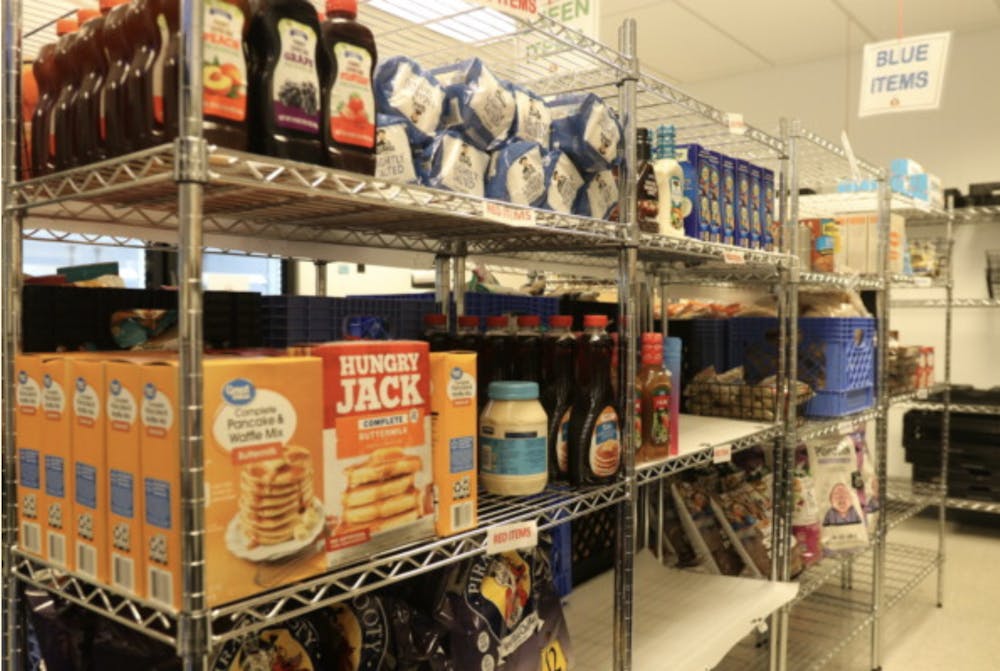
On Nov. 1, Supplemental Nutrition Assistance Program (SNAP) benefits ran out as a result of the U.S. government shutdown. As of Nov. 11, the Trump Administration agreed to pay up to 65% of SNAP benefits, although there are likely to be delays in the rollout of this funding.
According to the USDA, approximately 600,000 Hoosiers were SNAP participants. Now, with limited and delayed SNAP funding, communities across the country are straining to provide necessary resources.
College students are no exception and will also be losing their SNAP benefits. Food insecurity is a key obstacle many college students face.
According to the Indiana Justice Project, 34 percent of students know someone who has dropped out because they had difficulties affording food and 29 percent of college students have missed a meal at least once a week since the beginning of 2020.
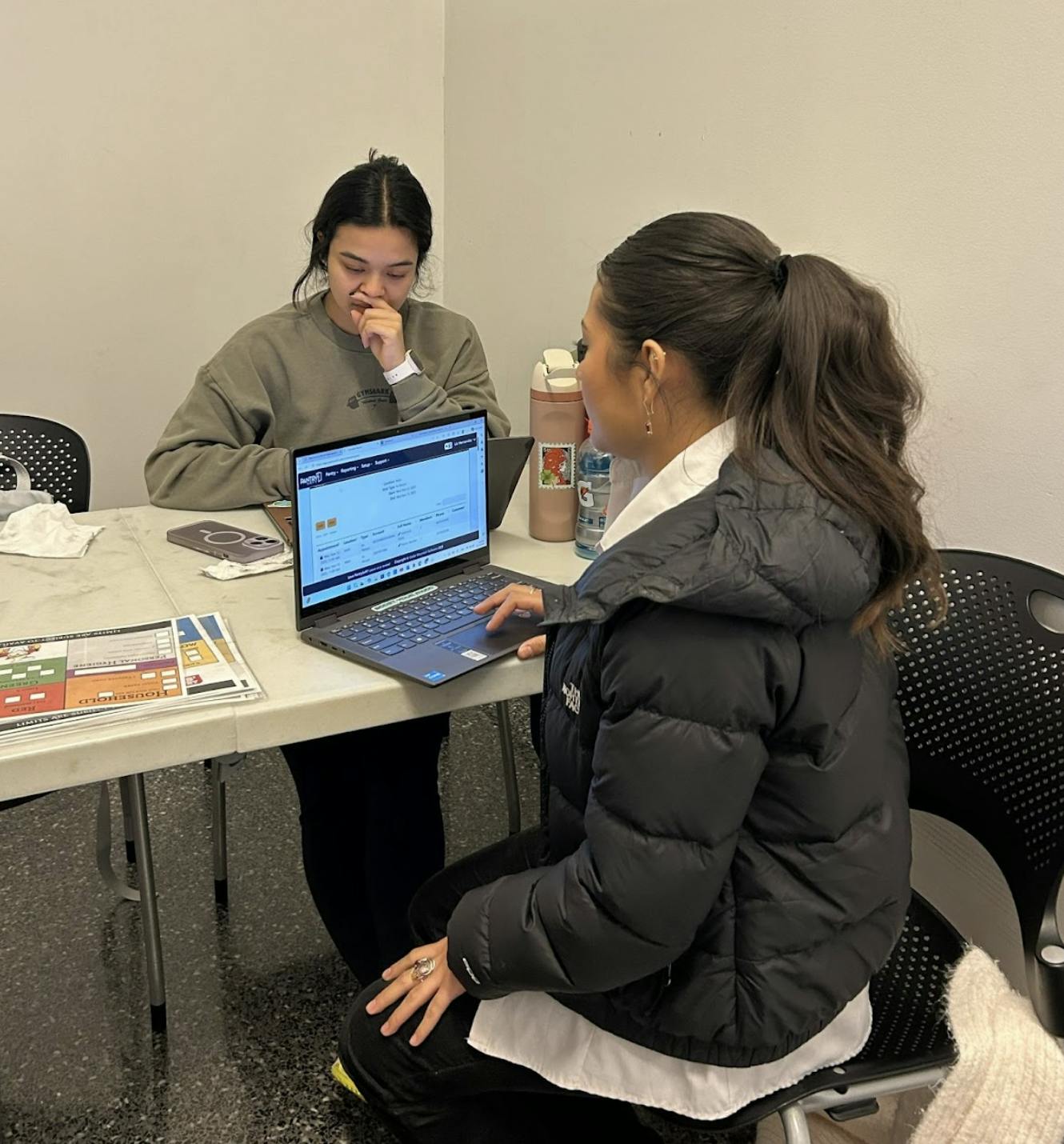
SNAP benefits are something that college students can apply for, but there are strict eligibility requirements, and lack of education on student SNAP eligibility can make it difficult for students to know if they can apply. As a result, according to a Government Accountability Office (GAO) study, 59 percent of students facing food insecurity who were potentially eligible did not receive benefits.
In order to be eligible for SNAP benefits, college students need to be enrolled in a higher-education program — at least as a part-time student — and work a minimum of 20 hours per week. However, if the majority of meals are through a mandatory or optional meal plan, applicants become ineligible to receive SNAP benefits.
Without resources like SNAP and local food assistance programs, college students are more likely to experience anxiety, depression, lower GPAs, higher risk of dropping out and increased debt.
“When students go hungry, they lose their ability to focus in class, retain knowledge from studying, complete assignments effectively and perform well during tests,” American Dining Creations said in their article “How does food insecurity affect college students?”
Resources like Paws Pantry are available to both IU Indianapolis and Purdue in Indianapolis students. The number of individuals they support has more than tripled and continues to grow every day, according to Assistant Program Director of Basic Needs Andi Weidner.
“This past summer, we tripled our numbers from the summer before, and we’re kind of seeing a similar trend going into the regular year,” Weidner said. “We definitely anticipate those numbers to go up. We’ve had over 1,700 total visits so far since August.”
A variety of factors have contributed to this increase such as economic need, university growth and especially because of programming.
“Lakeisha has gotten us out presenting and programming and tabling. We’ve been out screaming from the rooftops about PAWS Pantry. So I think a lot of people just know more about it,” Weidner said.

According to Lakeisha Williams, associate director of student support, food insecurity doesn’t look a certain way, and PAWS Pantry hopes to destigmatize food insecurity.
“Food insecurity isn’t always visible. When you talk about benefits and those types of things, it could look like skipping meals, or stretching a meal longer than expected to make sure students have access to it,” Williams said. “One of our biggest goals going into this semester was making sure that students are aware that the help is there — kind of destigmatizing what asking for help and combating food insecurity looks like on our campus.”
Being entirely volunteer-run, Paws Pantry is in more need of donations and volunteers than ever before to support the students on the IU Indianapolis and Purdue in Indianapolis campuses.
“We’re getting creative on where we’re getting stuff from. We always need donations,“ Weidner said. “We always need offices and resources to be doing food drives for us.”
The Office of Student Affairs will be posting Hunger and Homelessness Awareness Week from Nov. 17 to Nov. 21 highlighting the issues of food and housing insecurity faced by college students.
For those looking to receive services from Paw’s Pantry, students, staff and faculty members can schedule an appointment online. Paw’s Pantry also has a digital crowdfunding campaign for those looking to support the pantry.
Apps like Community Compass are also available online which can help users find the nearest place for groceries and meals. Gleaners offers a similar resource which allows users to locate food pantries in your area based on your address, neighborhood, city or zip code.
Abigail Godsen (she/her) is a senior majoring in Applied Information Sciences with a minor in Classics. She is Editor-in-Chief for The Campus Citizen. When she isn’t writing, Abby likes to cook, do crossword puzzles and drink a lot of tea. She can be summoned using anything shiny or books.

Making space to create: Why Herron’s National Portfolio Day belongs to the whole campus
By Sarah Pinckard | Sept. 10Herron School of Art and Design will host National Portfolio Day on Saturday, giving prospective students a chance to present their work to art and design schools from across the country accredited by the National Association of Schools of Art and Design. The event runs like a college fair, with students meeting representatives from the schools they choose and looking for the place they fit as an emerging artist.
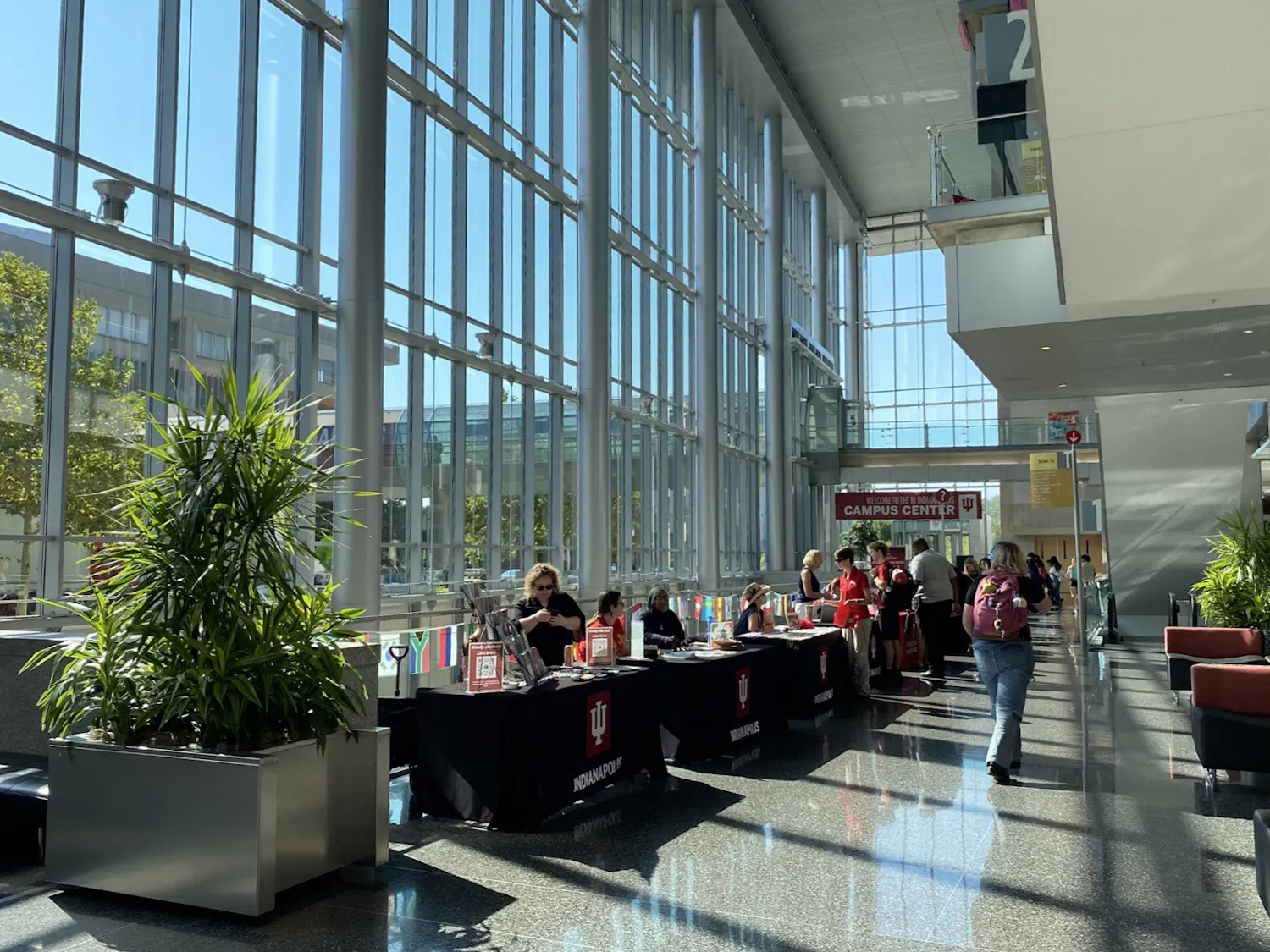
The study abroad fair: opportunity beyond U.S. borders
By Devin Bates | Sept. 7The Division of Student Affairs is holding a series of welcome and opportunity events for students as part of Weeks of Welcome, a two-week run of expos and programs at the start of the semester aimed at getting students involved on campus and abroad.

Troi Wharton had to learn how to walk again. Ten years later, she walked the Kelley graduation stage.
By Salsabil F. Qaddoura | May 31Troi Wharton remembers the first time people noticed she could not walk straight. It was 2016, and Pokémon Go had taken over the summer. Wharton, then 20, was playing the game around Indianapolis with friends and family. At the canal. At the zoo. Anywhere her phone told her another Pokémon might appear. The game required players to physically move through the real world. For Wharton, that meant walking more than usual. For the people around her, it meant seeing what she had not yet accepted.
