
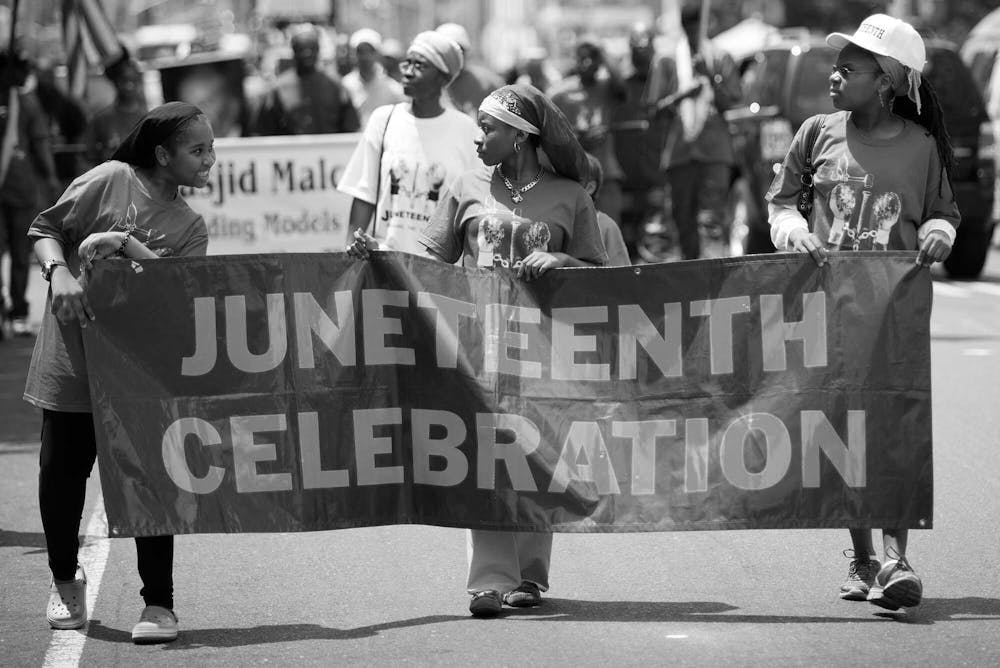
Juneteenth, shortened from "June Nineteenth," is a federal holiday that commemorates the emancipation of enslaved African Americans. Celebrated on June 19, it honors the anniversary of the day in 1865 when Union troops arrived in Galveston, Texas, to announce that the last enslaved people in the state were free. Widely observed as an African American holiday, Juneteenth marks the end of slavery in the United States.
On Jan. 1, 1863, President Abraham Lincoln declared that all enslaved people in the Confederate states in rebellion against the Union would be free. Those states were Alabama, Arkansas, Florida, Georgia, Mississippi, North Carolina, South Carolina, Texas, Virginia and Louisiana. The federal government had no immediate military control over these areas, which is why they were called rebellious states. The South relied heavily on enslaved labor, and Southern leaders fought to protect and expand that system under the Confederate constitution. While the proclamation changed the legal status of millions of enslaved African Americans, it was a wartime measure.
In reality, the Emancipation Proclamation did not immediately free anyone, because it applied only to states under Confederate control and could not be enforced there. The proclamation declared all enslaved people in the rebelling Confederate states "forever free" and served as a military and strategic tactic during the Civil War. Because enslaved labor supplied the Confederacy with critical resources, freeing those workers was meant to weaken the Southern states.
Union soldiers later marched onto plantations across the Confederate South to share the news that the proclamation had taken effect. Maj. Gen. Gordon Granger, a U.S. Army officer during the Civil War, led roughly 2,000 Union troops — some of them African American — into Galveston on June 18, 1865, after traveling from New Orleans. On June 19, 1865, he issued General Orders No. 3, announcing that the war had ended and that the state's estimated 250,000 enslaved Black people were free. The order came more than two years after the Emancipation Proclamation was issued.
Several central figures have championed Juneteenth and the celebration of Black resilience and culture, including Granger, Opal Lee, the Rev. Dr. Ronald V. Myers Sr. and Al Edwards.
Lee, known as the "Grandmother of Juneteenth," is a monumental figure in the holiday's history. She organized 2.5-mile walks and delivered a petition with 1.5 million signatures to Congress, efforts that helped make Juneteenth an official federal holiday in 2021. Myers pushed for legislative advocacy, broader commemoration and better health care in Black communities, and he advocated for Juneteenth to be declared a national holiday. Edwards, a former Texas state representative, authored House Bill 1016, the 1979 measure that made Texas the first state to recognize Juneteenth as a state holiday.
Following the Civil War, Juneteenth carried lasting significance during the Reconstruction era, a period defined by the pursuit of political power, economic independence and cultural reclamation. Though the years that followed brought Jim Crow laws and violence against Black communities, Juneteenth honors freedom, resilience and Black history while recognizing the ongoing fight for equality.
For students at IU Indianapolis, Juneteenth is more than a date on the academic calendar. The holiday invites the campus community to reflect on the long arc of freedom and the work that remains, themes that resonate with a university committed to civic engagement and an Indianapolis with a deep Black history of its own. Recognizing Juneteenth is a chance for students to connect classroom learning about American history, law and social justice to the lived legacy of emancipation still shaping their city.
Students looking to commemorate the day have several options. They can attend local Juneteenth festivals and events around Indianapolis, which often feature music, food, art and Black-owned vendors. They can support Black-owned businesses in the city, donate to or volunteer with local organizations working on racial equity, or take time to read works by Black authors and historians. On campus, students can organize or join discussions, share Juneteenth's history through student media and clubs, and learn about the contributions of Black Hoosiers to Indiana's past and present. Even a small act — learning the history, attending an event or starting a conversation — helps keep the meaning of the day alive.
Zariya Burnes is an undergraduate student majoring in applied theatre, film and television with a minor in journalism and is a writer for The Campus Citizen. In her field, she focuses on film production and entertainment journalism.
Salsabil F. Qaddoura is the Editor-in-Chief of The Campus Citizen. She is an undergraduate student on a pre-law track with a minor in business and is pursuing a nonprofit management certificate. She is passionate about public service and volunteerism to better our communities and the world.

Pride Month spotlights LGBTQIA+ artists shaping music
By Zariya O’Yanna Burnes | June 3June is Pride Month, a time to celebrate LGBTQIA+ culture, honor the history of the movement and support LGBTQIA+ people and organizations. The monthlong observance honors the 1969 Stonewall Uprising in Manhattan, widely considered a turning point in the LGBTQIA+ rights movement in the United States. The first Pride march in New York City was held June 28, 1970, on the first anniversary of Stonewall.
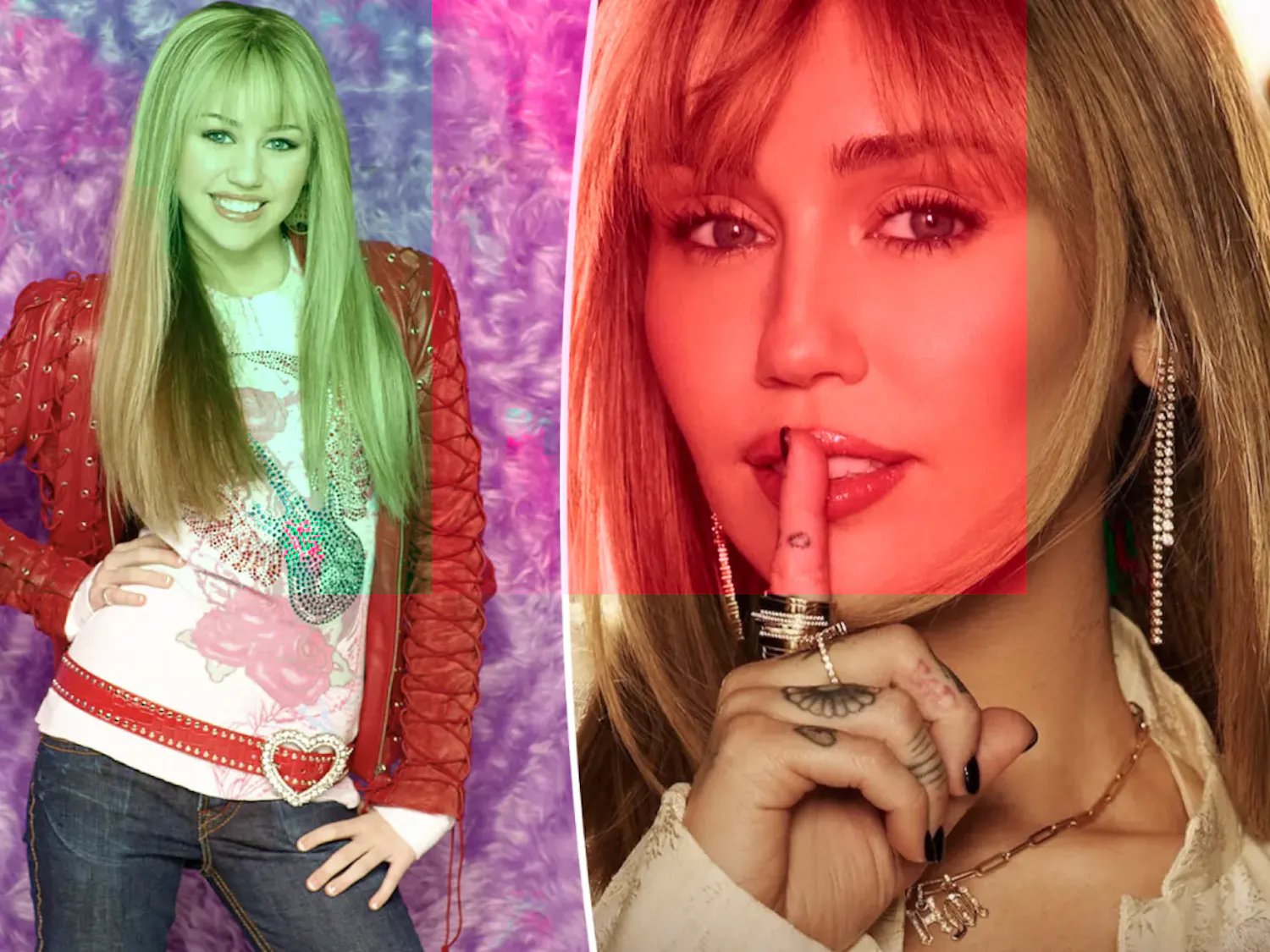
Hannah Montana 20th Anniversary Special: The highs and lows
By Olivia Arnold | April 8On March 24, 2006, the world met Hannah Montana: a teenage girl living a secret double life. At just 13 years old, Miley Cyrus became the face of one of the most-watched Disney Channel shows of all time.
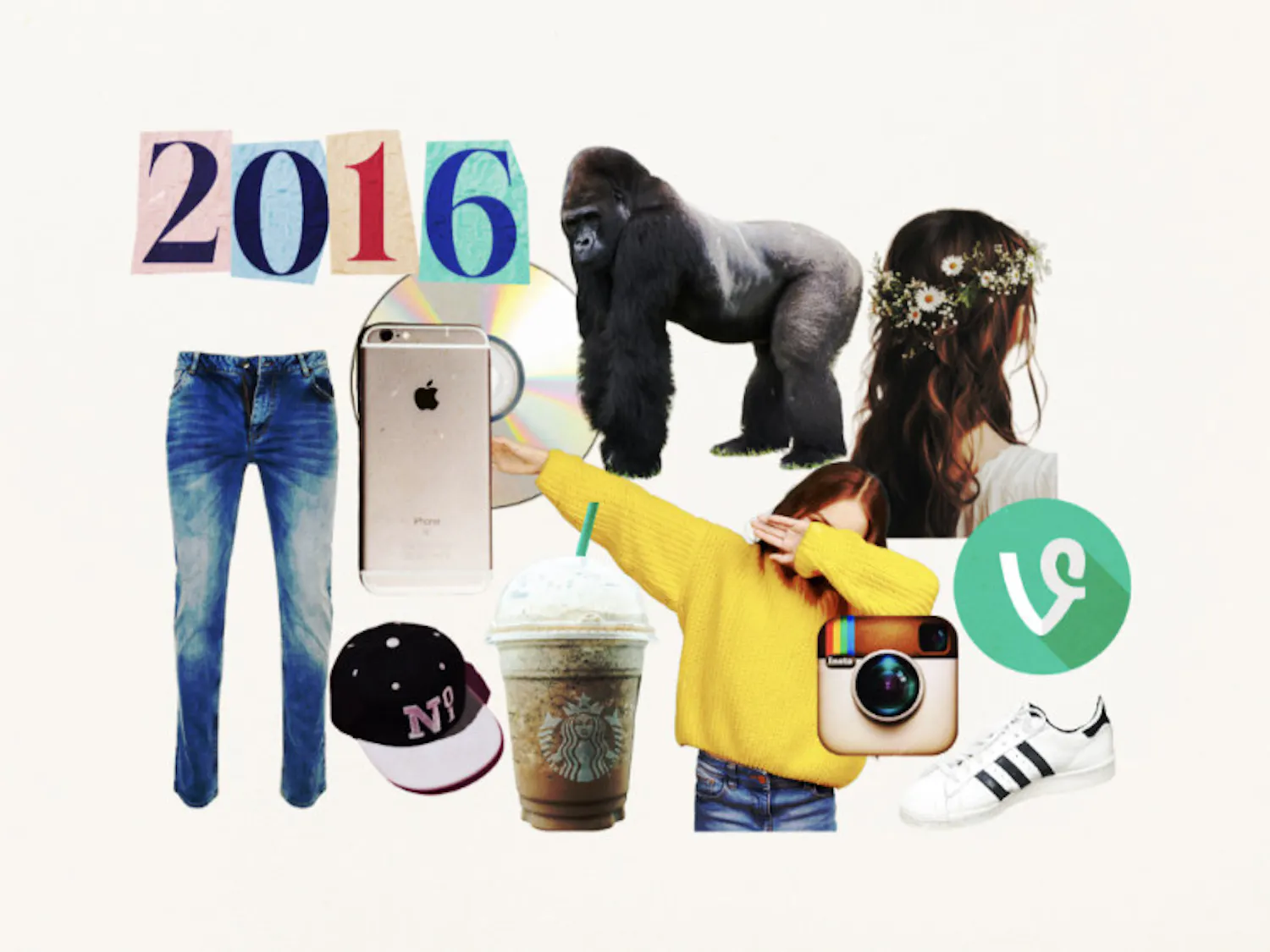
2016 is making its comeback a decade later
By Raegan Nelson | April 82016 is back, baby — so dig out those fake glasses, skinny jeans, beanies and be prepared. As soon as the ball dropped for 2026, it became clear that this year is the new 2016. Instagram was flooded with 2016 throwback photos, TikTok was blowing up catchy sounds from that era and everyone was reminded of the Snapchat dog filter.
