
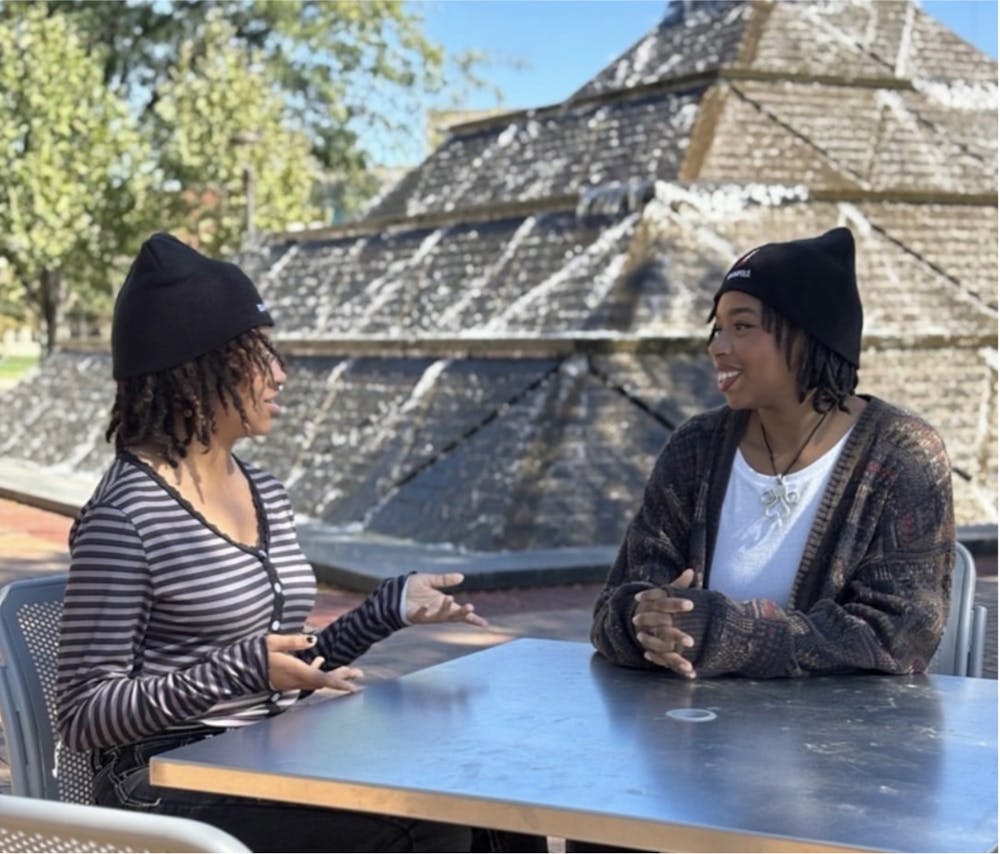
About 5 percent of the U.S. population — over 16 million people — experience Seasonal Affective Disorder (SAD). Beyond that, up to 44 percent of college students experience depression.
Combine those pressures with assignments, family separation and shorter days, and it’s clear that wellness isn’t optional, it’s essential.
“We know that students don’t just arrive with textbooks and ready to learn, they arrive with emotional and mental needs,” said Tanasja Poston, who works in the Office of Health and Wellness. “We’re here to let them know these resources are not a luxury, they’re a lifeline, they’re readily available.”
On‑campus services include wellness coaching, free programs, easily accessible counseling options and Stress Busters week.
Stress Busters week will start on Dec. 5 and end on Dec. 12 with a weeks-long plan of events from gaming activities to “Paws and Relax: Therapy Dog Stress Buster.”
One student who has benefited is senior Savannah Jones.
“Coming from home, I thought I could handle it all, and honestly it felt like that for a long time, but as time went on and assignments stacked up, things began to be a bit much,” Jones said. “I began to use the resources that were available to me, and they were free, it definitely has made a difference.”
SAD is a blend of seasonal mood disruption and the transitions of day-to-day life. The decrease in daylight can trigger lethargy, low mood and a decrease in overall engagement.
“Seeking help isn’t a sign you’ve failed, it really shows that you’re invested in your personal growth,” said Poston.
Having a wellness coach or a counselor offers a sense of support that can come even before any problems arise.
Jones emphasizes how the coaching sessions helped her realistically plan for the seasonal change that is about to come.
“We adjusted my daily routine and discussed different ways I can make sure I stay energized and at peace, especially since I’m hours away from home," said Jones.
Poston shares the sentiment that it is fundamental for students to understand this: The resources exist, but they’re only effective when used. Students may feel stigmatized, or believe they must “tough it out.”
Poston encourages students to find the strength in actively seeking help and learning what methods are most effective for the individual. The mental‑health resources at IU Indianapolis are intentionally set in place to support the full student‑experience which involves one’s physical, emotional and cognitive wellbeing.
IU Indianapolis offers several free and low-cost resources to support student well-being. Counseling and Psychological Services (CAPS) provides therapy, crisis support and wellness workshops, while the Health and Wellness program offers free screenings, fitness activities and coaching. Students in Health Professions Programs also have 24/7 access to TimelyCare for virtual counseling and medical care.
Kamya Williams is a senior majoring in journalism and a writer for The Campus Citizen. In her free time she enjoys watching documentaries and exploring different places.

Making space to create: Why Herron’s National Portfolio Day belongs to the whole campus
By Sarah Pinckard | Sept. 10Herron School of Art and Design will host National Portfolio Day on Saturday, giving prospective students a chance to present their work to art and design schools from across the country accredited by the National Association of Schools of Art and Design. The event runs like a college fair, with students meeting representatives from the schools they choose and looking for the place they fit as an emerging artist.
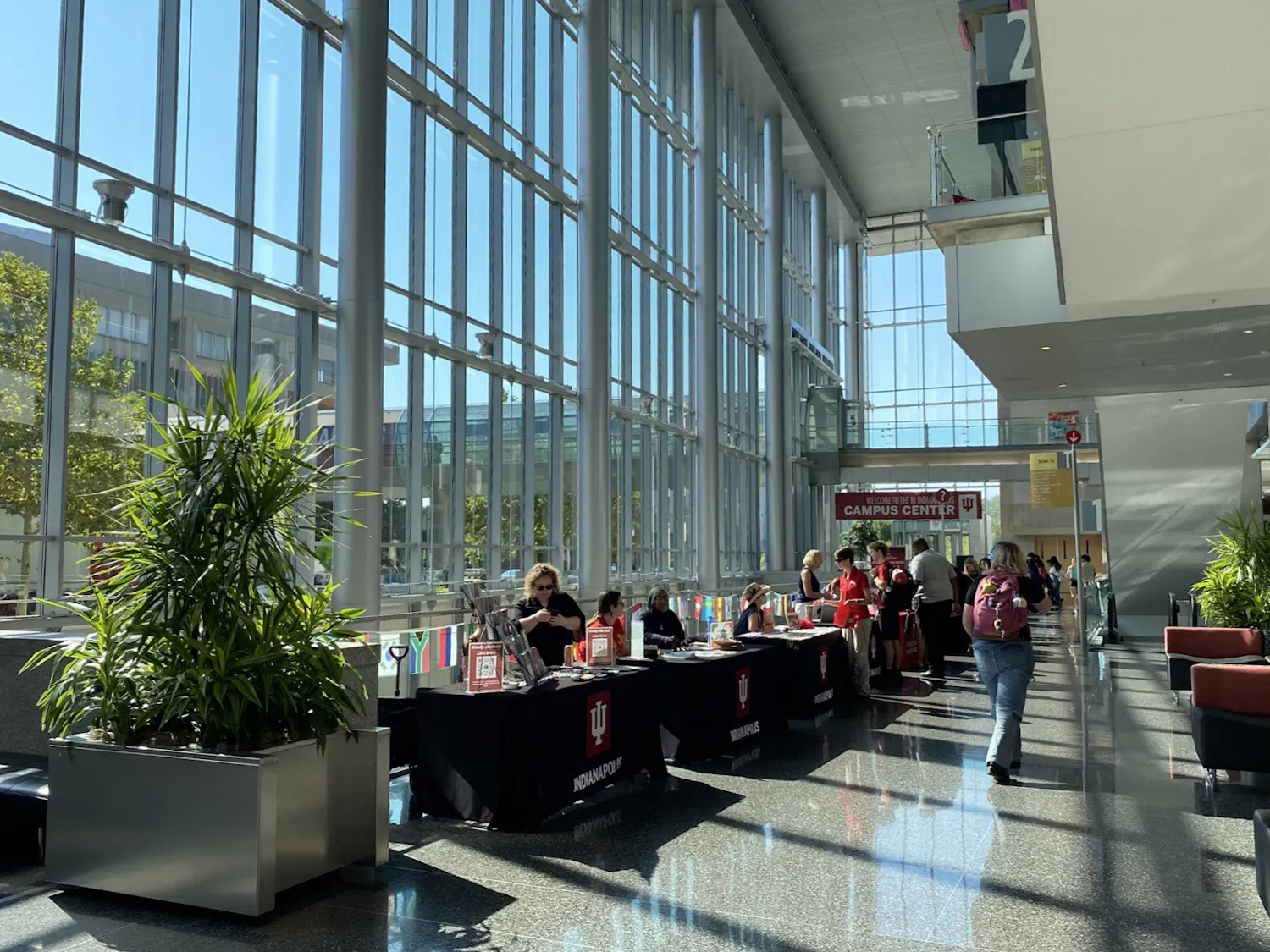
The study abroad fair: opportunity beyond U.S. borders
By Devin Bates | Sept. 7The Division of Student Affairs is holding a series of welcome and opportunity events for students as part of Weeks of Welcome, a two-week run of expos and programs at the start of the semester aimed at getting students involved on campus and abroad.

Troi Wharton had to learn how to walk again. Ten years later, she walked the Kelley graduation stage.
By Salsabil F. Qaddoura | May 31Troi Wharton remembers the first time people noticed she could not walk straight. It was 2016, and Pokémon Go had taken over the summer. Wharton, then 20, was playing the game around Indianapolis with friends and family. At the canal. At the zoo. Anywhere her phone told her another Pokémon might appear. The game required players to physically move through the real world. For Wharton, that meant walking more than usual. For the people around her, it meant seeing what she had not yet accepted.
