
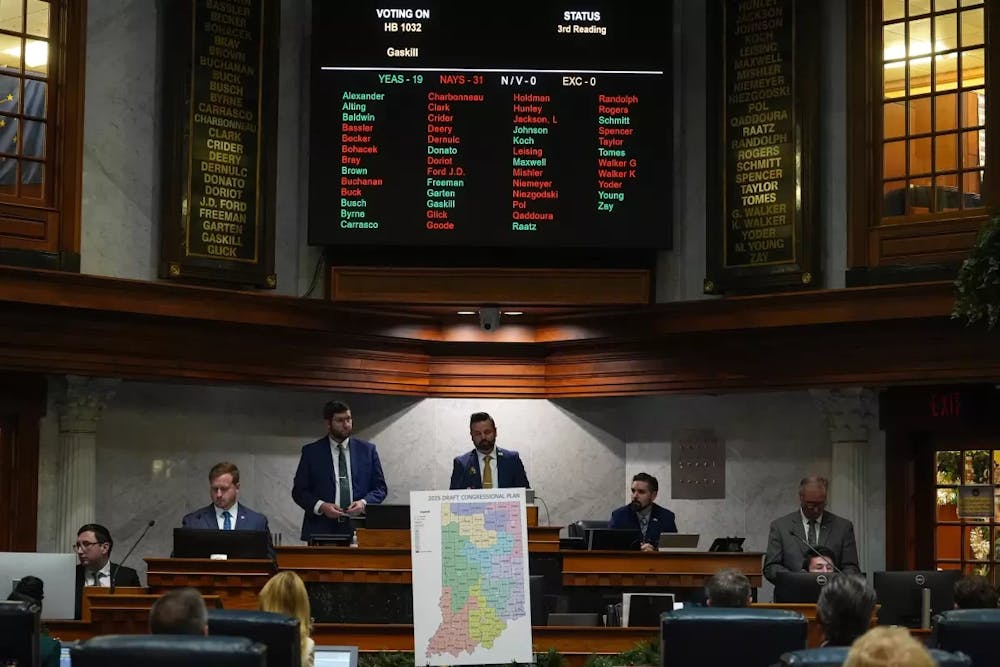
Indiana lawmakers delivered a rare rebuke to President Donald Trump on Thursday, Dec. 11, voting down a controversial mid-cycle redistricting bill that would have dramatically reshaped Indiana’s congressional map and weakened the political influence of Indianapolis residents, including thousands of students at IU Indianapolis.
The Indiana Senate rejected the bill 31–19, with 21 Republicans joining all 10 Democrats in opposition. The vote ended months of pressure from Trump and his allies, who pushed aggressively for new maps that would have increased Republican control of the state’s congressional delegation ahead of the 2026 midterms.
Trump responded within hours of the vote, publicly attacking Indiana Republican senators who broke with him. In statements and social-media posts, he accused them of betraying the party and hinted he would support primary challengers against those who voted no.
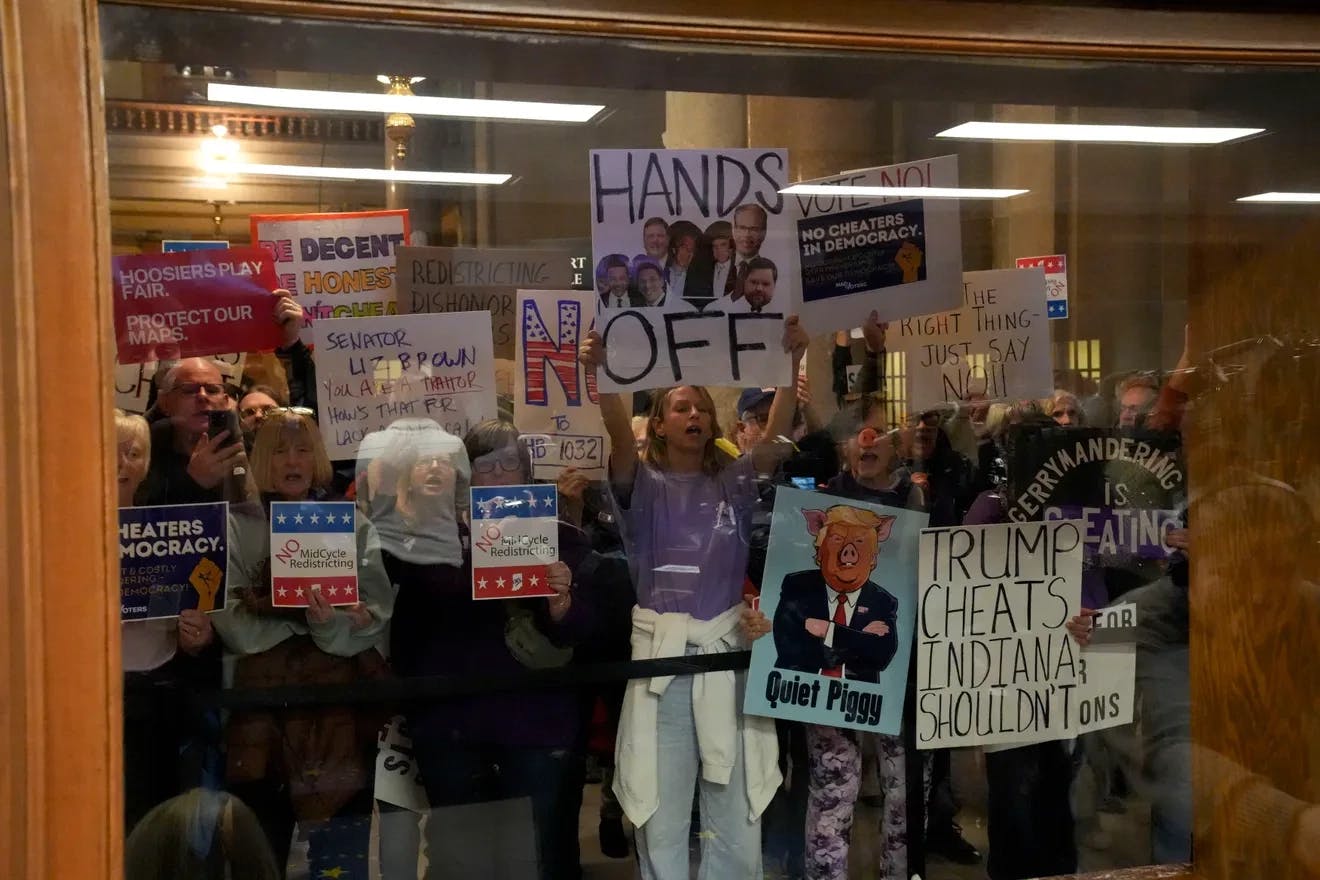
Several lawmakers reported receiving intense pressure and even threatening messages in the days leading up to the vote, underscoring the unusually charged atmosphere surrounding the proposal.
For IU Indianapolis students, the bill’s defeat keeps intact the current congressional district that includes the campus and most of downtown. Had it passed, the proposal would have carved Indianapolis into several districts, fracturing the student population and pairing parts of the city with distant suburban or rural communities. Political analysts warn that such fragmentation dilutes the collective voice of urban voters, especially young people, renters and first-generation students.
Those shifts would have had concrete consequences for students. A divided district reduces the likelihood that a single member of Congress focuses on issues affecting the university, including federal funding for higher education, research grants, student mental-health initiatives, public safety resources and public transit investments such as IndyGo lines heavily used by students.
Students who already move frequently between dorms and apartments would have faced even more confusion about who represents them and where they vote.
Senate President, Pro Tempore Rodric Bray, said the intensity surrounding the redistricting fight underscored a broader challenge for institutions trying to make difficult or unpopular decisions. He emphasized that decision-making moments of national attention requires trust in the systems in place.
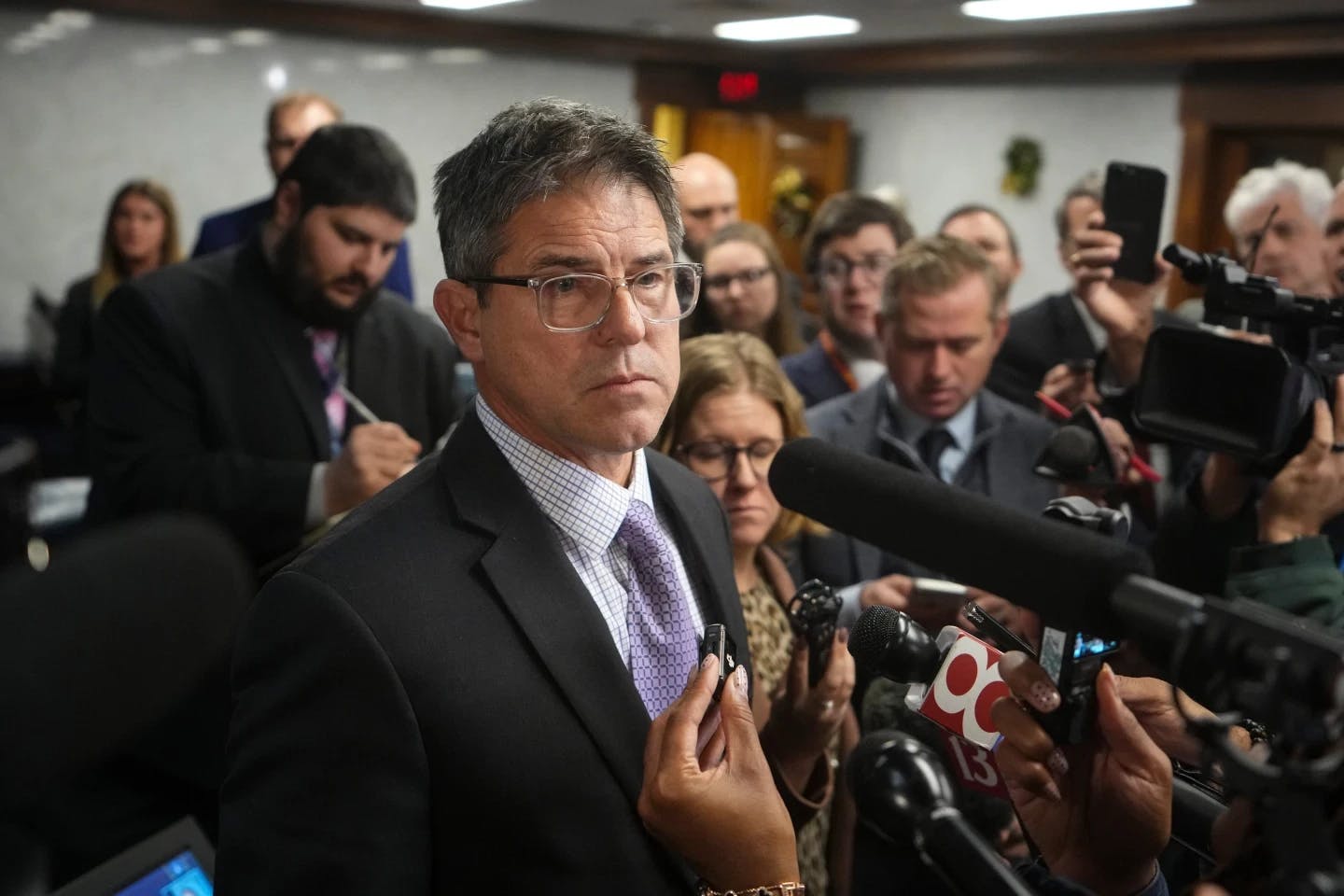
“It’s absolutely imperative that we’re able to do hard things here, and in order to do that, to do hard things that maybe not everybody agrees with and maybe even some people get really angry about,” Bray said. “They have to have trust in the institution.”
Trump expressed his disappointment in the Indiana GOP’s act of defiance and their leadership.
“Rod Bray and his friends won’t be in Politics for long, and I will do everything within my power to make sure that they will not hurt the Republican Party, and our Country, again,” said Trump in Truth Social post.
The redistricting bill also raised concerns about the speed and opacity of the process. Lawmakers introduced the proposal with limited public input, and several senators noted that Hoosiers had not asked for mid-decade map changes. Critics argued that the bill attempted to re-route traditional judicial review processes, making it harder to challenge the maps in court.

Supporters of the bill cited similar redraws occurring in Democratic-controlled states as justification, but opponents pushed back, arguing that the fact that gerrymandering is legal does not make it fair. Many pointed to the broader principle that representation should not be manipulated for political gain, especially when it affects large populations of students, workers and communities of color.
The defeat of the bill preserves current boundaries heading into the 2026 elections, meaning IU Indianapolis students will continue voting within a unified district rather than being dispersed across multiple congressional seats. For many student leaders and civic-engagement organizations on campus, the outcome is not just a procedural victory but a reminder that state-level decisions can directly shape student political power.
Although the immediate redistricting threat has passed, the broader debate over fair representation is far from over. Indiana will undergo another full redistricting cycle after the 2030 census, and many of today’s IU Indianapolis students will be voters — and possibly candidates — when those lines are drawn. For now, the Senate’s vote provides a momentary safeguard for student representation in Indianapolis, and a sharp illustration of how national political forces can collide with local communities.
Salsabil F. Qaddoura is the campus editor, financial officer and co-social media editor of The Campus Citizen. She is an undergraduate student on a pre-law track with a minor in business. She is passionate about public service and volunteerism to better our communities and the world.
18 years in, Carson faces real challenge: What Wells and Hornedo would do for IU Indianapolis students
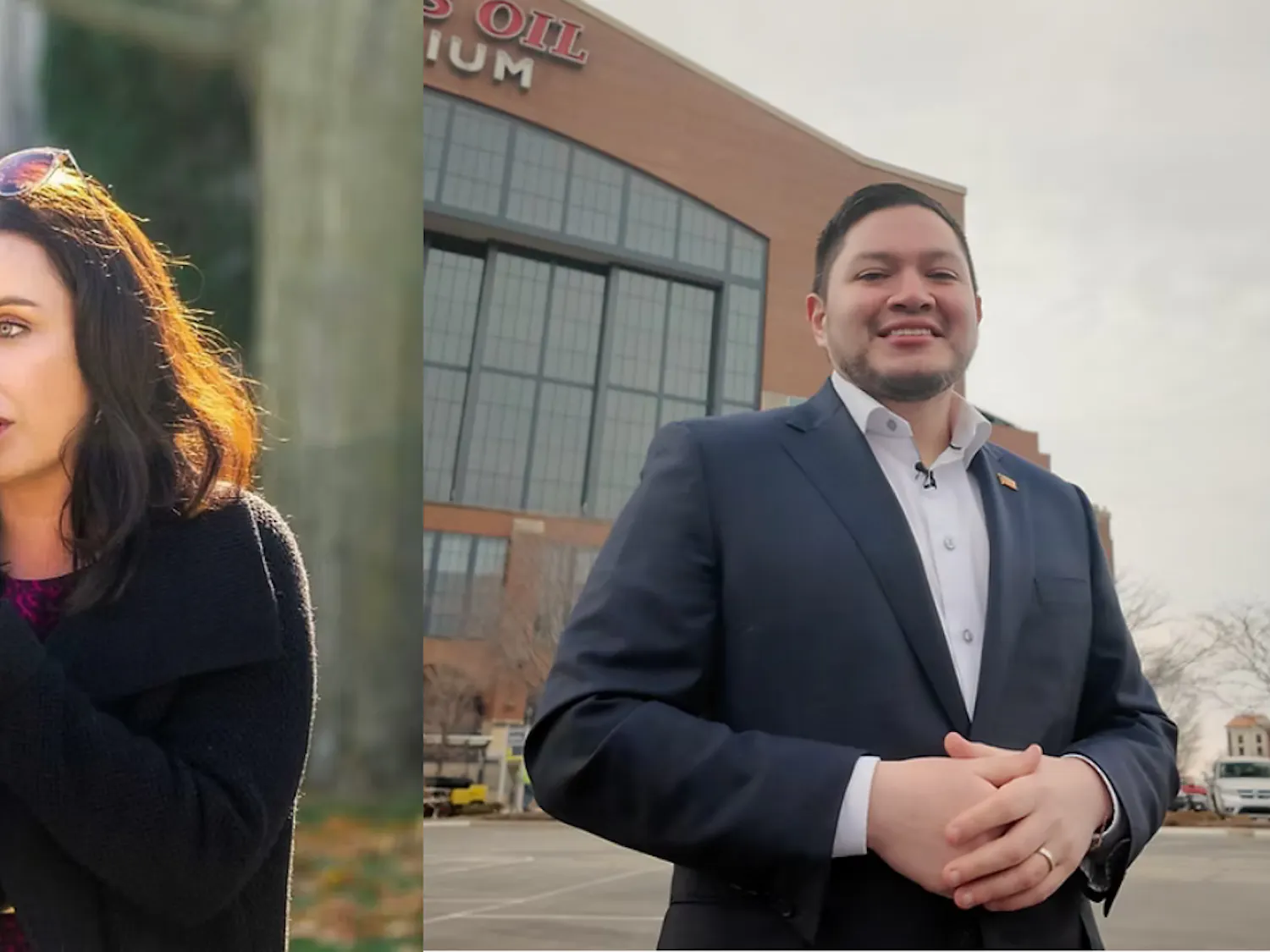
By Thomas Garvey | April 21On May 5, 2026, Indiana's 7th Congressional District will hold its most competitive Democratic primary in years. André Carson, an 18-year incumbent, is facing a real challenge for the first time since his 2008 victory. District 7 — which encompasses IU Indianapolis's campus — is a reliably safe Democratic house seat, meaning the primary winner will likely go on to represent the district in Washington. The Campus Citizen spoke with two of the leading Democratic challengers: Destiny Wells and George Hornedo. Wells comes in with a military background, having served in Afghanistan and now serving as a lieutenant colonel in military intelligence. Wells is an IU alumna and earned her law degree from the University of Texas in 2011.
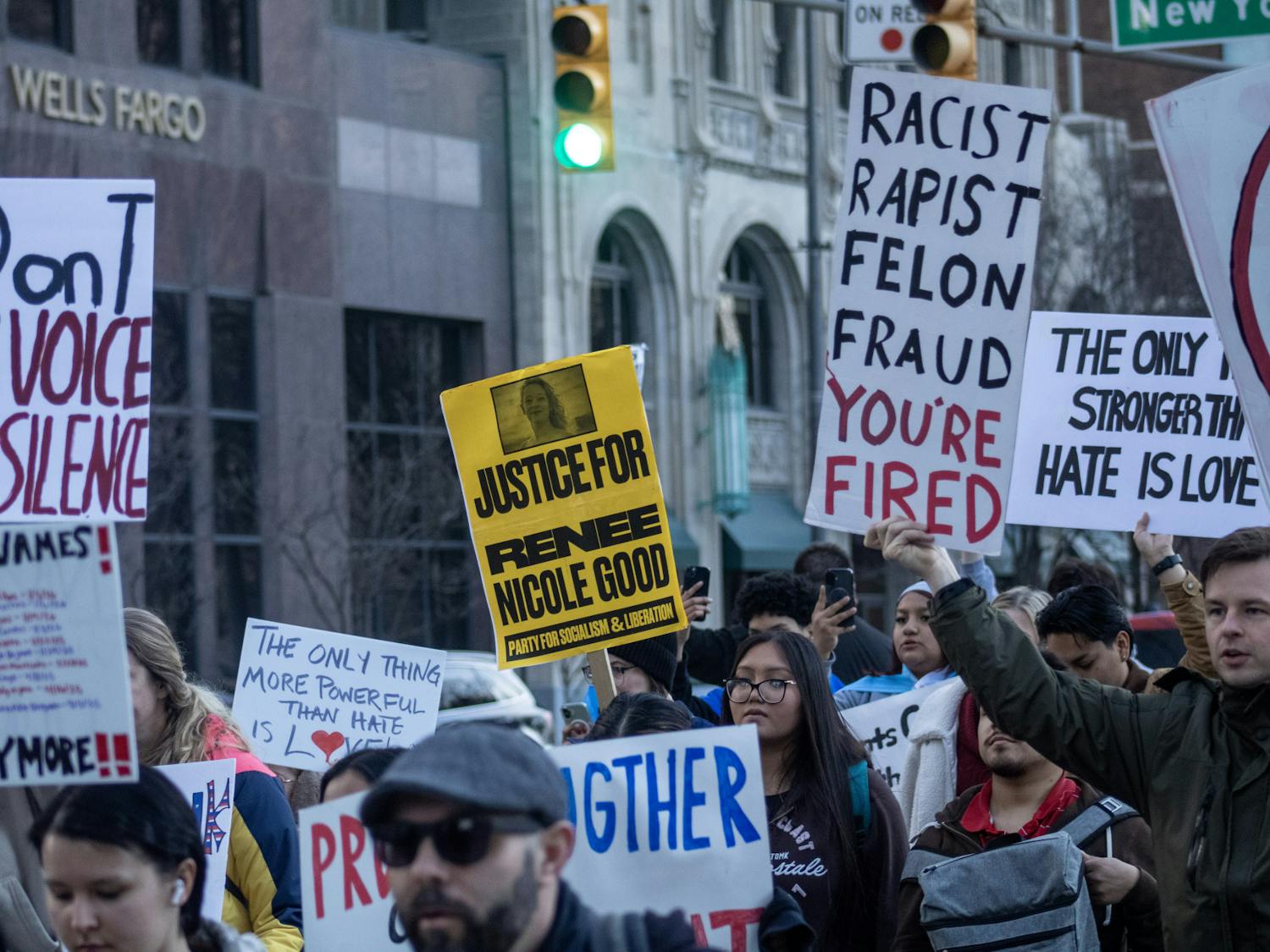
Dozens gather at Monument Circle to protest immigration enforcement, joining statewide student movement
By Salsabil F. Qaddoura | Feb. 14A crowd of protesters gathered Friday evening at Monument Circle to demonstrate against U.S. Immigration and Customs Enforcement and federal immigration enforcement policies, joining a wave of student-led protests taking place across Indiana and across the country.

Mid-session recap: Indiana legislature advances bills affecting IU Indianapolis students
By Salsabil F. Qaddoura | Feb. 13As the Indiana General Assembly moves past the midpoint of its 2026 legislative session, lawmakers are advancing several bills that could directly affect Indiana University Indianapolis students, including legislation impacting university governance, state funding, faculty oversight and academic programs.
