
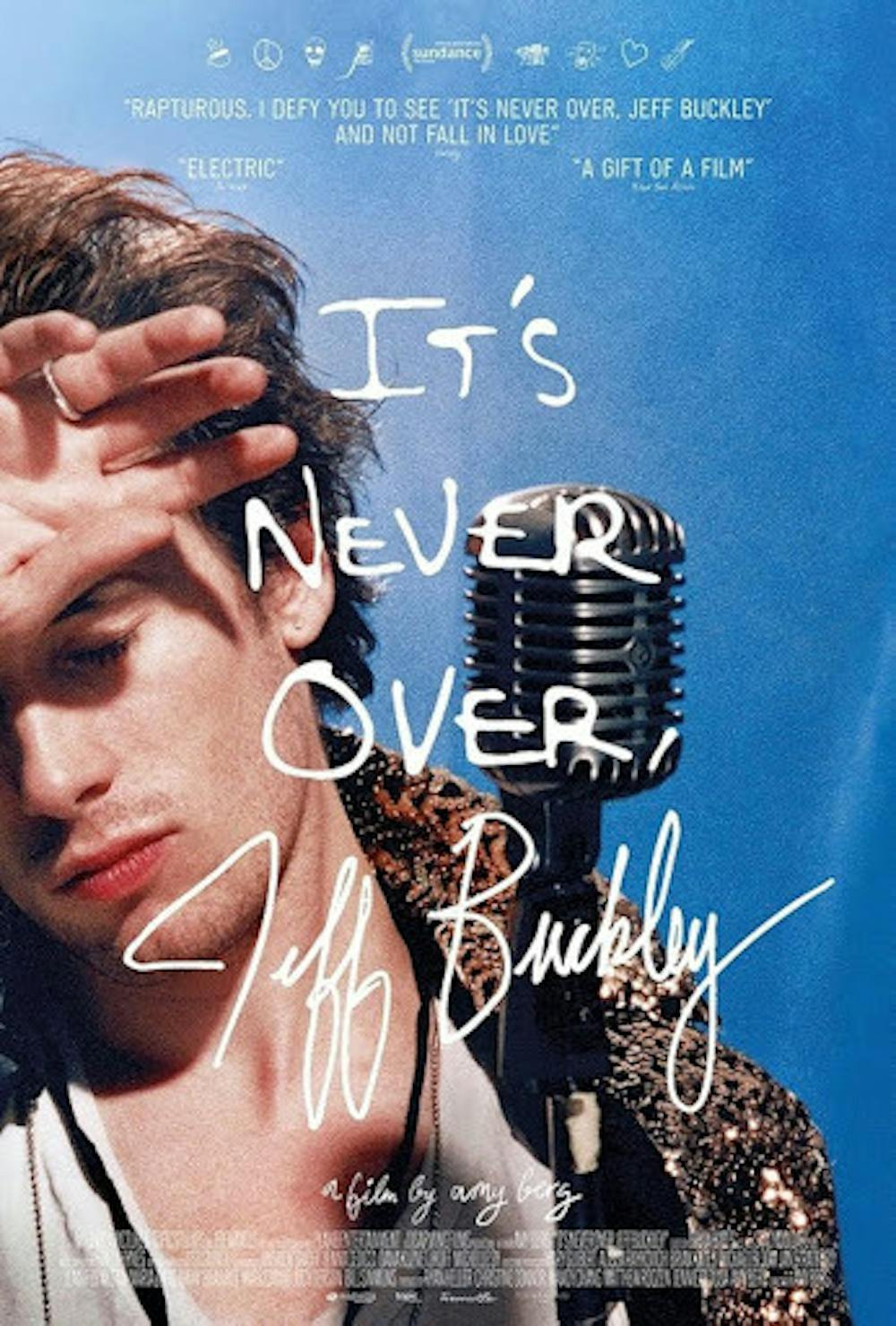
Named one of the greatest singers of all time by Rolling Stone Magazine, Jeff Buckley is recognized as one of the ‘90s most striking talents. From Buckley's diverse vocal range, to his resonating lyricism, he was an ethereal voice that was unheard of for its time. In director Amy Berg's intimate and somber film, “It's Never Over, Jeff Buckley,” Berg showcases his charismatic spirit as well as his technical skill.
With only ever releasing one studio album in 1993 before his tragic death in 1997, Buckley’s, “Grace” has created a legacy that has lived on over the decades. From influences of Nina Simone, Judy Garland and Robert Plant, Buckley's harmonious voice created an album that stood out from the emerging 90’s grunge scene.
Rather than just showcasing his music, what Berg did best was encapsulate the emotional appeal that Buckley wanted to portray, by focusing on the people who loved him most. She implemented unseen archives of the singer in interviews, past performances and home footage, while also allowing those closest to him to share their memories.
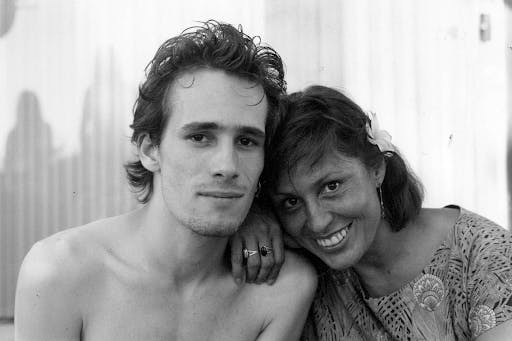
The film featured his mother, Mary Guibert, band member Michael Tighe and even past lovers such as Rebecca Moore and Joan Wasser. The heartfelt biopic follows along with his single mother Guibert, as she reminisces on her son's childhood into adulthood.
Berg sets the scene onto 1960s Orange County, where Buckley grew up, and she builds on his personality showing the relationship with his father Tim Buckley, who left the family to pursue his music career with a new family early on in Buckley’s life. Berg later takes us into 1990s New York City, where Buckley would sign with Columbia Records.
Through Berg's film, we have the ability to see how Buckley's music became a reflection of his deep emotional vulnerability exploring themes of loss, desire and love. By creating such meaningful work and putting all his passion into “Grace,” Buckley fell victim to the pressure of releasing a second album sending him into a depressive state. His fathers legacy haunted him, making Buckley frustrated with being compared to a man he barely knew.
Although Berg's film emphasizes Buckley's more personal connections, she made sure to still showcase his craft, mentioning Buckley was a friend and inspiration to both Soundgarden's Chris Cornell and Radiohead's Thom Yorke. Reportedly after seeing Buckley in concert, Yorke went home inspired to write “Fake Plastic Trees.”
There were times Berg cluttered her film by including too many animations layered on top of Buckley's words, when he conveyed them emotionally enough. What I did enjoy was how on screen Berg would have hand written animations from Buckley's journal. Here, she helps give us a better sense of Buckley and how he embraced his vulnerability.
Afraid of being compared to tragic artists that passed from overdose such as his father, Morrisery or Janis Joplin, the way Berg depicts Buckley's story shows that he was far more than that. He was a man filled with much love, while battling an internal war. With a voice reaching four octaves, and unafraid to voice his radical vulnerability, Buckley was a stark contrast to the 90’s aggressive male archetypes. Despite only having one studio album, Buckley's legacy continues to live on by challenging the conventional ideas of genre and gender.
Mya Kalita (she/her) is a senior majoring in journalism and public relations with a minor in communications. She is a writer for The Campus Citizen and for the publication Where Words Ignite Worlds.

Juneteenth marks the long road to freedom
By Salsabil F. Qaddoura and Zariya O’Yanna Burnes | June 19Juneteenth, shortened from "June Nineteenth," is a federal holiday that commemorates the emancipation of enslaved African Americans. Celebrated on June 19, it honors the anniversary of the day in 1865 when Union troops arrived in Galveston, Texas, to announce that the last enslaved people in the state were free. Widely observed as an African American holiday, Juneteenth marks the end of slavery in the United States.

Pride Month spotlights LGBTQIA+ artists shaping music
By Zariya O’Yanna Burnes | June 3June is Pride Month, a time to celebrate LGBTQIA+ culture, honor the history of the movement and support LGBTQIA+ people and organizations. The monthlong observance honors the 1969 Stonewall Uprising in Manhattan, widely considered a turning point in the LGBTQIA+ rights movement in the United States. The first Pride march in New York City was held June 28, 1970, on the first anniversary of Stonewall.
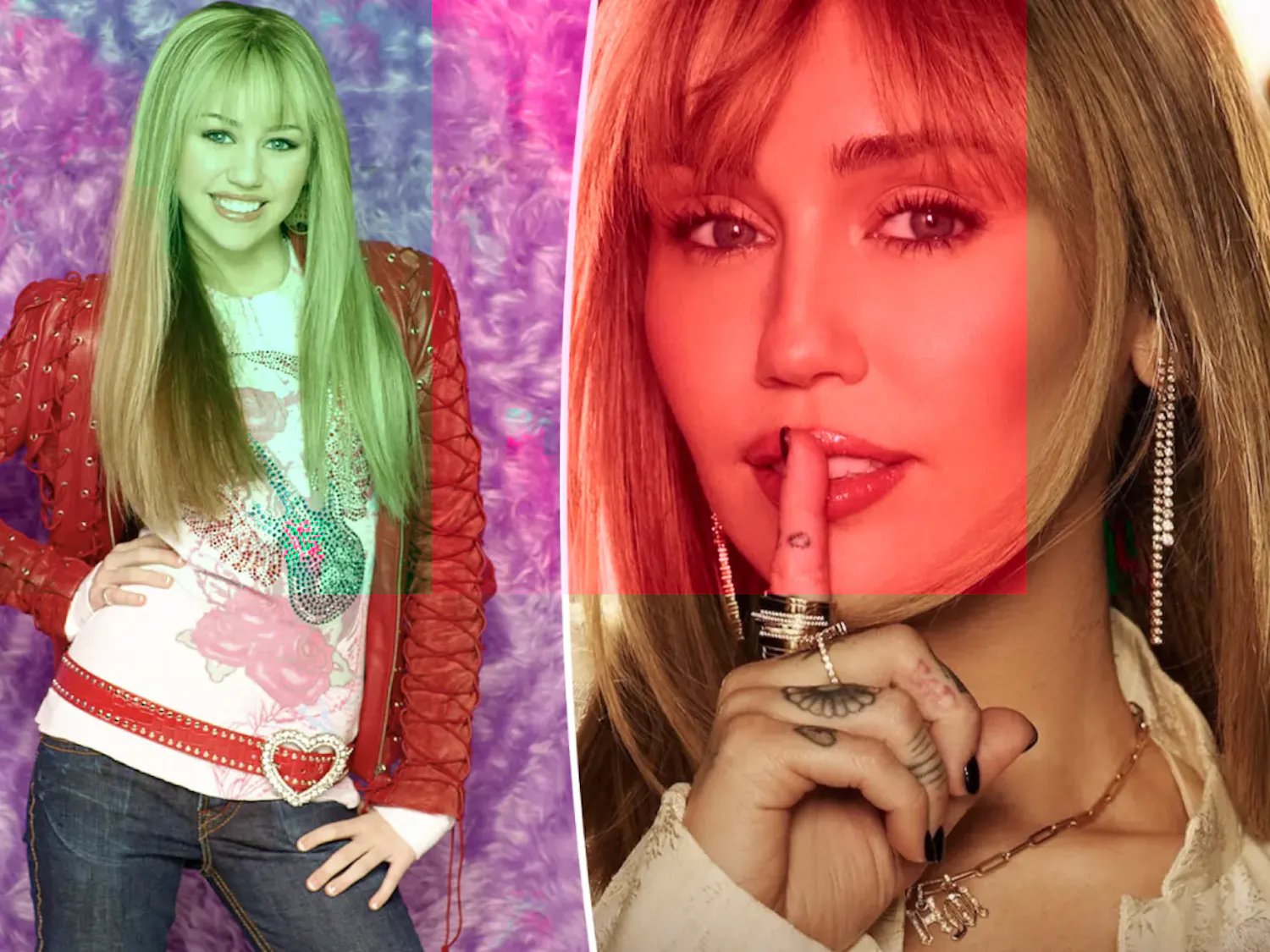
Hannah Montana 20th Anniversary Special: The highs and lows
By Olivia Arnold | April 8On March 24, 2006, the world met Hannah Montana: a teenage girl living a secret double life. At just 13 years old, Miley Cyrus became the face of one of the most-watched Disney Channel shows of all time.
