
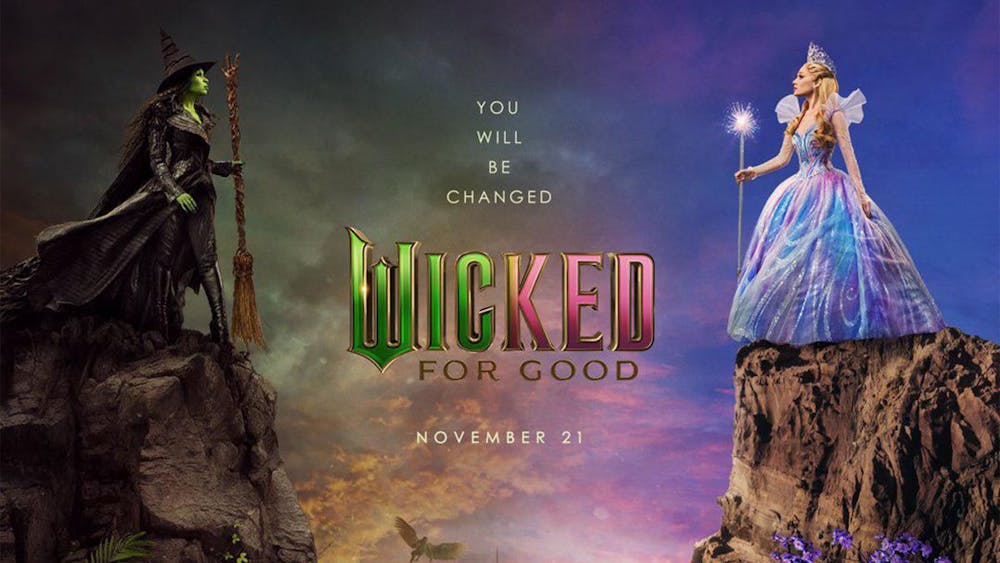
Spoilers ahead:
Jon M. Chu's “Wicked: For Good” concludes in a way that feels both unexpected and inevitable — at least from the perspective of someone who hasn't seen the stage musical or read the book. The film connects elements from “Wicked,” the book and “The Wizard of Oz,” leading to revelations that are emotional and shocking.
The sequel picks up after Elphaba, Cynthia Erivo, flees the Emerald City and goes into hiding while continuing to fight for animal rights. Meanwhile, Glinda, Ariana Grande, becomes a symbol of goodness and the Wizard's spokesperson, while battling conflicting emotions about her friendship with Elphaba and the lie that she possesses real magical power.
For anyone who hasn't seen the first film, I'd strongly recommend watching it. While you could technically follow the second film on its own, you'd be missing half the story between Elphaba and Glinda. Not to mention, the brilliant songs and details from the first film that are essential to understanding the second.
A noticeable difference between the two films is the darker tone of the sequel. The tone is no longer light like the first film and just when hope emerges, a sense of hopelessness returns.
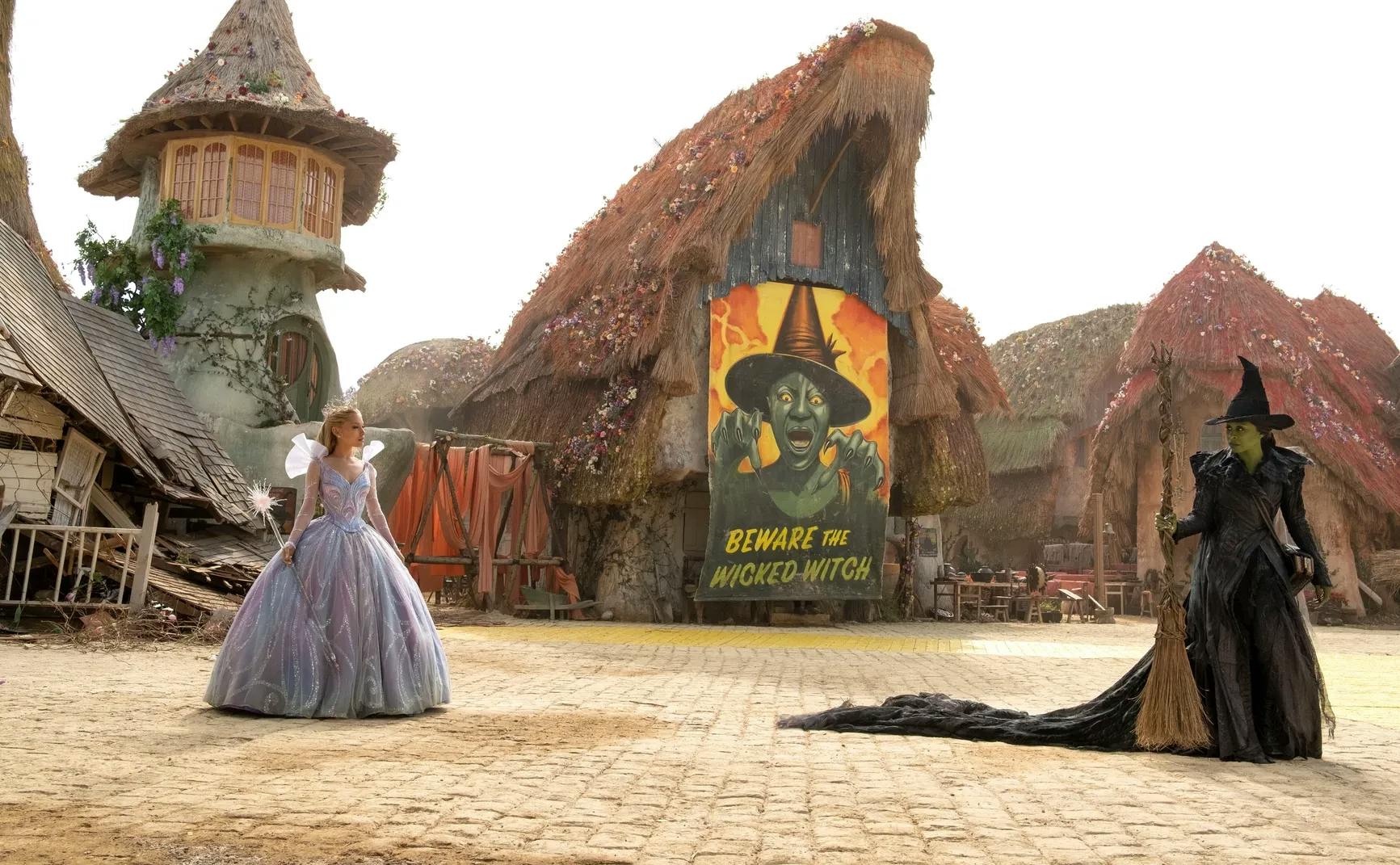
The visuals remain stunning, continuing to immerse us in the richly crafted world. Yet despite the darkness of the scenes, moments of comedy still shine through. There are also heart-wrenching sequences, such as the door scene between Elphaba and Glinda, that left many viewers in tears.
Some of the weaknesses of this film were the acting, songwriting and pacing. At times, the performances fell flat and didn't deliver the intended impact — most notably Michelle Yeoh's portrayal of Madam Morrible in the scene where she yells, “The Wicked Witch of the West wants to kill us all!”
Compared to the first film, some songs felt unnecessary and thrown in without purpose; those scenes would have been better with stronger lyrics or dialogue alone. In particular, "Wonderful" felt out of place during a pivotal plot moment and took away the scene’s impact.
The pacing was similar to the first film, with certain scenes dragging on too long. The intimate scene between Elphaba and Prince Fiyero, Jonathan Bailey, is a notable example — where the viral cardigan moment occurs. Like many viewers, I believe the second film was not necessary and both could have been merged into one. The combined four-hour runtime was, at times, hard to sit through.
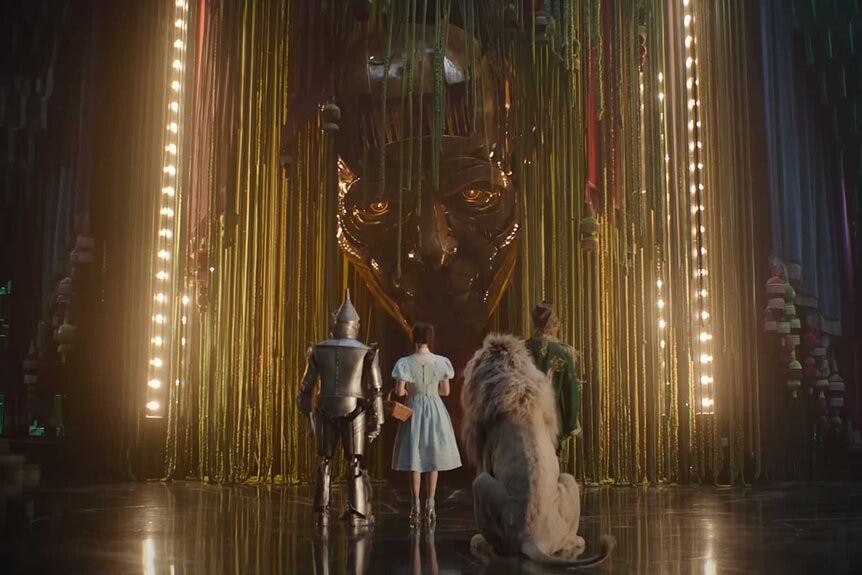
Yet one of the things that “Wicked: For Good” did well was deepen our understanding of the characters introduced in the first, exploring who they've become and the consequences of their choices. We see meaningful connections between the two films — the green bottle Elphaba carries and the origin stories of the Scarecrow, Tin Man and Cowardly Lion from “The Wizard of Oz.”
The film ends on a bittersweet note, with Glinda believing Elphaba has died. This belief motivates her to become a leader who no longer needs to be told how to act or what to believe. She begins to restore Oz, perhaps not to what it once was, but to the vision Elphaba had always fought for: a place of acceptance.
Elphaba receives what might seem like a fitting ending, but I do not see it as such. She chooses to embrace the identity of the Wicked Witch of the West so that Glinda can remain in power and bring change to Oz. In doing so, Elphaba abandons any hope of redemption or a new life in Oz. Yet in a shocking turn of events, she and Fiyero devise a plan that allows her to survive and venture into the world beyond Oz together.
“Wicked: For Good” is a story that resonates differently with each viewer, leading to different opinions about what worked and what could have been done differently. It’s a story that highlights the complexities of friendship while also addressing real-world issues such as voicelessness and the struggle against allowing others to define your identity.
The story may not deliver the ending audiences desire, but it provides the ending its characters deserve.
Rating: 7.5 out of 10
Citlali Sanchez is a senior majoring in sports journalism, with a minor in sport marketing. She enjoys going out for boba and watching soccer and anime. She can also be found volunteering at sporting events in town or out at coffee shops.

Juneteenth marks the long road to freedom
By Salsabil F. Qaddoura and Zariya O’Yanna Burnes | June 19Juneteenth, shortened from "June Nineteenth," is a federal holiday that commemorates the emancipation of enslaved African Americans. Celebrated on June 19, it honors the anniversary of the day in 1865 when Union troops arrived in Galveston, Texas, to announce that the last enslaved people in the state were free. Widely observed as an African American holiday, Juneteenth marks the end of slavery in the United States.

Pride Month spotlights LGBTQIA+ artists shaping music
By Zariya O’Yanna Burnes | June 3June is Pride Month, a time to celebrate LGBTQIA+ culture, honor the history of the movement and support LGBTQIA+ people and organizations. The monthlong observance honors the 1969 Stonewall Uprising in Manhattan, widely considered a turning point in the LGBTQIA+ rights movement in the United States. The first Pride march in New York City was held June 28, 1970, on the first anniversary of Stonewall.
Hannah Montana 20th Anniversary Special: The highs and lows
By Olivia Arnold | April 8On March 24, 2006, the world met Hannah Montana: a teenage girl living a secret double life. At just 13 years old, Miley Cyrus became the face of one of the most-watched Disney Channel shows of all time.
