

Fashion is how humans have expressed themselves throughout history. From Cleopatra to Marilyn Monroe, fashion has become a fundamental piece of the human experience. But can anyone wear whatever fashion they want?
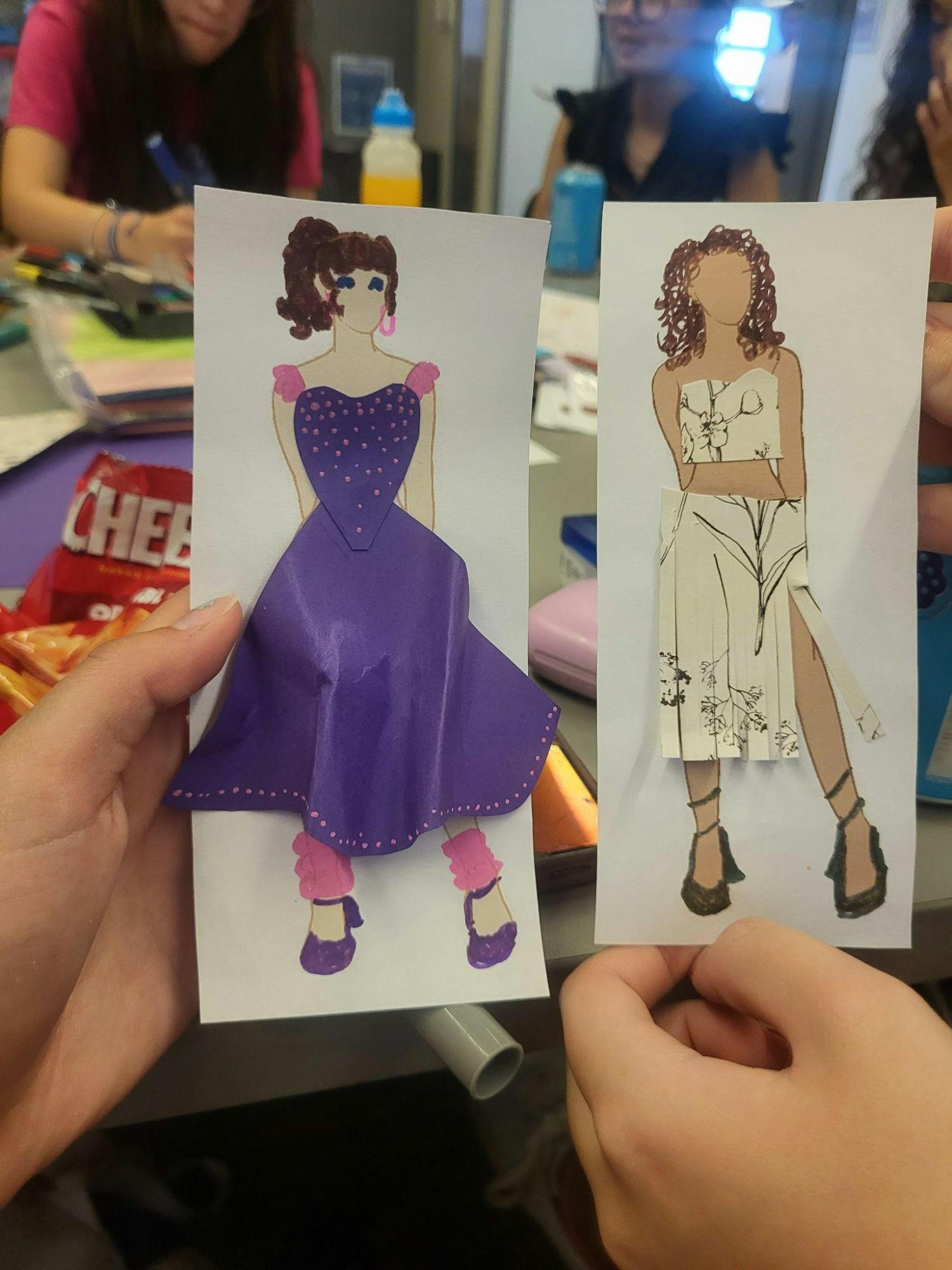
No one can control an individual's style, and in the United States, clothing is a form of free expression. But the full answer depends on the clothing, because many cultures have their own styles. Clothing can carry deep meaning, such as regalia for religious ceremonies, weddings or honoring ancestry. Examples of meaningful clothing from different cultures include the kilt from Scotland, the Indonesian kebaya and the dashiki from West Africa.
Cultural appropriation in clothing happens when an individual, or a whole community, takes clothing from another culture without acknowledging the history and culture behind it. Britannica cites Coachella as an example: Concertgoers wear traditional Native American headdresses without acknowledging that, in Native cultures, these headdresses are worn as military medals, and are worn by community leaders.
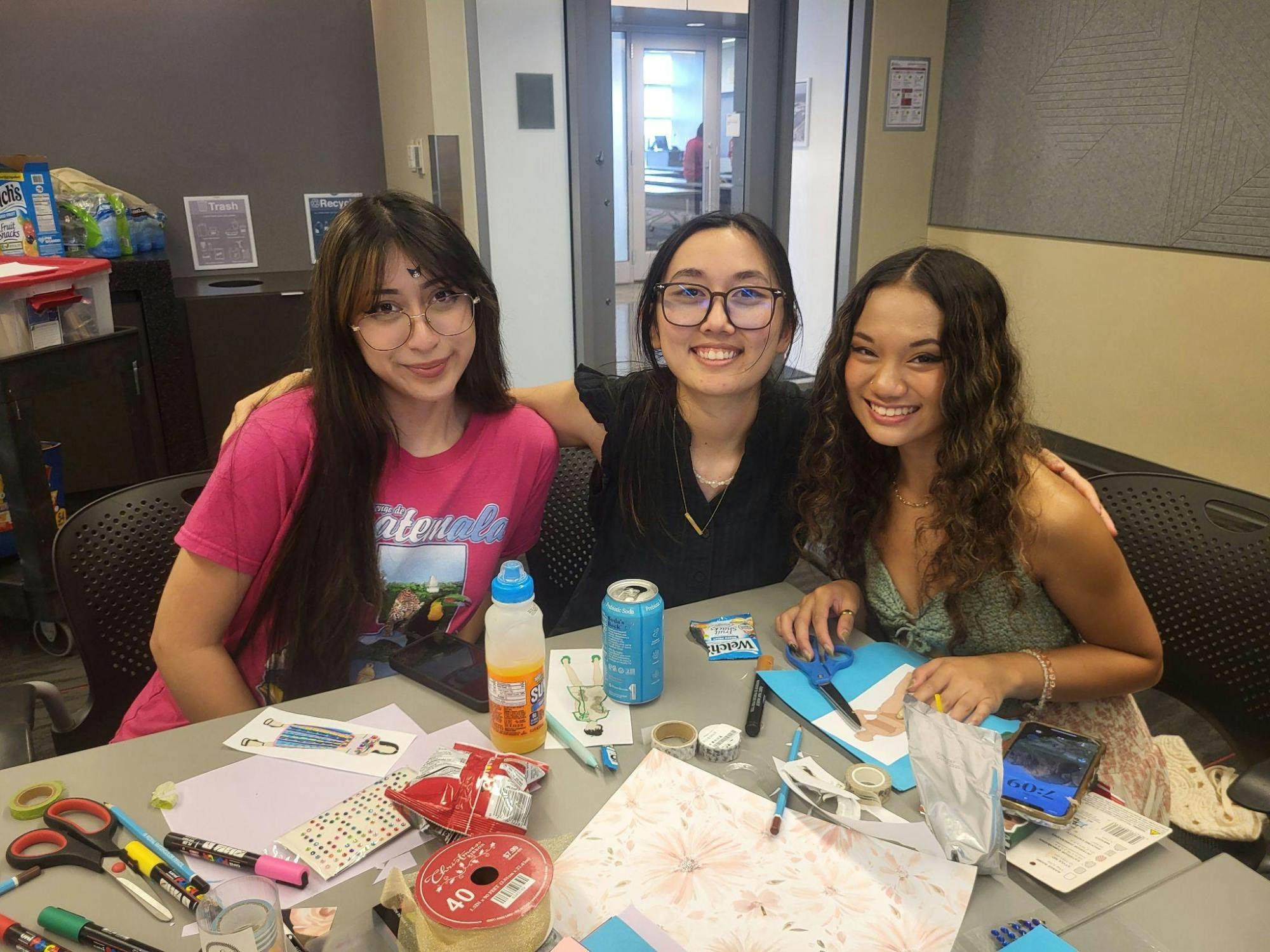
Sigma Psi Zeta, a sorority at IU Indianapolis, presented a slideshow on this issue at an event Sept. 17. The presentation covered how to appreciate cultural clothing and the common ways people misuse it. According to the presentation, embracing cultural fashion appropriately means acknowledging where the clothing came from, wearing it for the right occasion and setting and buying from members of the culture.
Problems often come from wearing culturally significant clothes in ways that infantilize or sexualize them. One example is the Japanese kimono. In a 2019 opinion column for The Guardian, Akemi Johnson wrote that Japanese women have been sexualized since World War II and the invasion of Okinawa, when soldiers viewed the women as sexual objects. In 2019, Kim Kardashian used the name "Kimono" for her shapewear brand. The kimono has no sexual connotation in Japanese culture; it is formal wear for special occasions.
With Halloween coming up, remember that other cultures are not costumes. Do not go on Shein and buy cheaply made costumes of people from a different culture or country. The costumes are not of a character or individual; they are a stereotype of a whole culture. This is offensive, and in 2026, it is not ignorance; it is purposeful.

At the Sigma Psi Zeta event, members made paper dolls that represented their own cultures and personal styles. The activity let members enjoy clothing and personal style while respecting the origins.
Fashion is fun for all. It is a way of expression and a way to make a first impression without saying a word. When taking inspiration from cultural fashion that is not your own, be respectful. If you have to ask whether an outfit or hairstyle will offend anyone, it is better not to wear it.
Raegan Nelson is a sophomore studying psychology who hopes to become an art therapist and is a writer for The Campus Citizen. She is passionate about the arts, literature and psychological issues in the past and present. In her free time, she loves to paint, draw, read or watch horror movies.

‘You gotta Regatta’: Jaguars welcome the fall semester with Regatta, an IU Indianapolis homecoming tradition
By Cristina Bueno | Sept. 25Regatta, IU Indianapolis’ homecoming tradition, will be held in the Saturday, Sept. 26, from 10 a.m. to 4 p.m. on the canal at Military Park. This event includes canoe racing competition, live entertainment, food and festival activities.

OPINION: Data center proposals rise in Indiana, raising concerns for rural residents
By Devin Bates | Sept. 24Schools like Indiana University Indianapolis market artificial intelligence as a thought partner that helps students succeed in their studies and grasp core concepts. It's important, both as a student and a citizen, to pull back the curtain and better understand how these machines operate and what their implications are.

Dorms or debt traps?
By Raegan Nelson | Sept. 19College is expensive, especially if students have to factor in the additional cost of living. But dorms offer more than just a place to sleep: students are close to campus, have a place to rest between classes and may find lifelong friends from their assigned roommates.
