
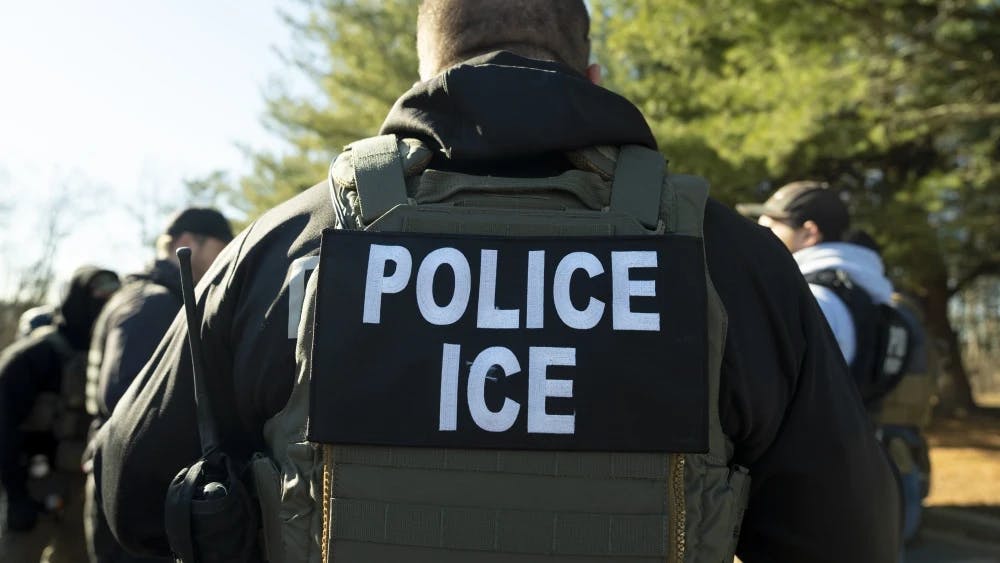
Immigrant and Customs Enforcement (ICE) has increased its presence in local communities and on college campuses in recent months. Below is information for current college students about their rights, legal expectations and what actions they can take.
Rights and Legal Expectations
Per the Eighth Amendment, you have the right to remain silent, including not signing any documentation and the right to speak with a lawyer.
ICE must identify themselves if asked, and students may ask officers to state their jurisdiction.
ICE may enter public campus areas without a warrant, but cannot enter nonpublic spaces – such as residence halls or keycard-access buildings – without a warrant signed by a judge. Under the Fourth Amendment, students have the right to refuse ICE access to private residence if they do not have a warrant signed by a judge.
Student information is protected under FERPA; campus employees should consult legal counsel before releasing any student information.
Students can legally report and document ICE activity in public spaces under the First Amendment and the Right to Record Act via recordings on phones as well as written documentation as long as it does not impede offer duties. This can include names, badge numbers, times, locations and actions taken.
International students retain rights to free speech, due process and protection from unlawful searches and seizures according to IU Indianapolis International Student Services.
NOTE: IU Indianapolis is not considered a sanctuary campus. A sanctuary campus is a campus that adopts policies designated to protect undocumented students, faculty and staff from federal immigration enforcement. The university has stated it must comply with ICE when presented with a valid arrest warrant, search warrant or subpoena, as required by state law.
What do you do?
Create a safety plan with trusted contacts and memorize key phone numbers
Carry valid legal documentation and keep copies in a secure second location.
If ICE is observed, document details such as time, location and number of officers
If you see someone being detained, try to obtain the person’s name, birthdate and emergency contact number in addition to recording the time and location of detainment without impeding officers’ performance of duties.
If detained, clearly state that you invoke your Fifth Amendment rights, request a lawyer and do not answer questions or sign
Help notify a detained person’s emergency contact if possible
NOTE: Detainees are typically allowed one phone call to communicate their assigned A number, which is the number required for family members and legal representatives to to locate them.
For additional information about Immigrant rights and ICE,students can use resources like the American Civil Liberties Union (ACLU) and Indiana Legal Services (ILS).
Abigail Godsen (they/she) is a senior majoring in Applied Information Sciences with a minor in Classics. They are Editor-in-Chief for The Campus Citizen. When she isn’t writing, Abby likes to cook, do crossword puzzles and drink a lot of tea. They can be summoned using anything shiny or books.
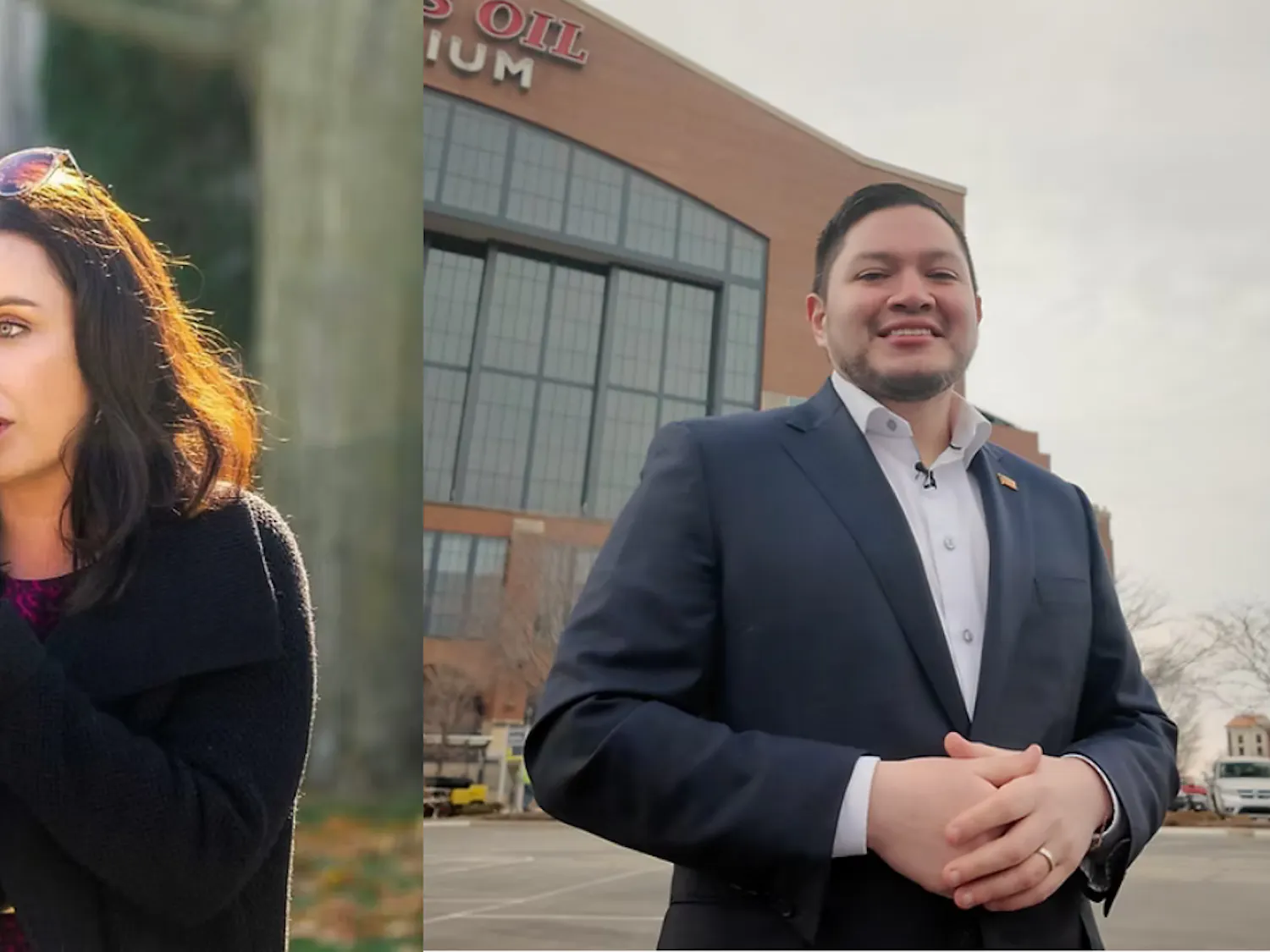
18 years in, Carson faces real challenge: What Wells and Hornedo would do for IU Indianapolis students
By Thomas Garvey | April 21On May 5, 2026, Indiana's 7th Congressional District will hold its most competitive Democratic primary in years. André Carson, an 18-year incumbent, is facing a real challenge for the first time since his 2008 victory. District 7 — which encompasses IU Indianapolis's campus — is a reliably safe Democratic house seat, meaning the primary winner will likely go on to represent the district in Washington. The Campus Citizen spoke with two of the leading Democratic challengers: Destiny Wells and George Hornedo. Wells comes in with a military background, having served in Afghanistan and now serving as a lieutenant colonel in military intelligence. Wells is an IU alumna and earned her law degree from the University of Texas in 2011.

Dozens gather at Monument Circle to protest immigration enforcement, joining statewide student movement
By Salsabil F. Qaddoura | Feb. 14A crowd of protesters gathered Friday evening at Monument Circle to demonstrate against U.S. Immigration and Customs Enforcement and federal immigration enforcement policies, joining a wave of student-led protests taking place across Indiana and across the country.

Mid-session recap: Indiana legislature advances bills affecting IU Indianapolis students
By Salsabil F. Qaddoura | Feb. 13As the Indiana General Assembly moves past the midpoint of its 2026 legislative session, lawmakers are advancing several bills that could directly affect Indiana University Indianapolis students, including legislation impacting university governance, state funding, faculty oversight and academic programs.
