

EDITOR’S NOTE
This commentary was submitted to The Campus Citizen by an outside contributor who is not affiliated with IU Indianapolis. Gleb Tsipursky’s book, “The Psychology of AI Adoption at Work: From Resistance to Results,” is scheduled for publication Sept. 1 by Georgetown University Press. The piece has been edited for style, length and accuracy. The views expressed are the author’s own and do not represent the views of The Campus Citizen or its staff. The Campus Citizen welcomes letters to the editor and outside commentary. Submissions may be edited for length, clarity and accuracy.
IU Indianapolis is making artificial intelligence part of career preparation. The Luddy School of Informatics, Computing, and Engineering offers a 16-credit certificate in AI that students can finish in three semesters, and it is open to students in non-computing majors without additional prerequisites. Luddy offers two related credentials as well, in AI engineering and in AI for organizations.
Indiana is moving in the same direction from the employer side. The state Department of Workforce Development has been working to integrate AI skills across its registered apprenticeship sponsors, which number roughly 900 and cover about 25,000 apprentices statewide.
Those two efforts should meet.
The Stanford Digital Economy Lab’s August update to its “Canaries in the Coal Mine” research found that employment among U.S. workers ages 22 to 25 in highly AI-exposed occupations now sits about 19% below where it would be had it kept pace with same-age workers in less-exposed occupations. A year earlier, that gap was about 15%. The researchers said the adjustment is showing up mainly through weaker hiring of young workers rather than through layoffs.
Students therefore need more than AI literacy. They need a reliable path from using the tool to exercising judgment in a real workplace.
IU Indianapolis should build that path. Every student who completes substantial AI coursework should have access to a paid exception project with an employer, public agency, nonprofit or campus unit. AI would handle the routine preparation. The student would be responsible for checking the output against sources, identifying where it fails, investigating an unusual case and presenting a recommendation to an experienced supervisor.
The project should end with evidence of competence, not a certificate of attendance. Can the student recognize a confident but incorrect output? Can the student identify missing context? Can the student explain why a recommendation is safe, useful and appropriate? Can the student handle an exception without step-by-step instruction?
This design would make AI education more valuable to employers. A student who has only generated polished outputs is hard to evaluate. A student who can show how they found an error, traced it to the source and defended a corrected decision has demonstrated judgment.
It would also protect the career ladder. Routine entry-level work has always been more than output. It gave beginners repetitions, feedback and exposure to edge cases. As AI takes over more of that routine preparation, colleges and employers need to deliberately replace the learning it once provided.
Indiana already has the infrastructure for work-based learning. IU Indianapolis already has the AI education. The missing piece is a formal bridge between them.
The university should make paid judgment practice the next step after AI coursework. Students should leave campus not only knowing how to use AI, but knowing when not to trust it and what to do when it reaches its limits.
Gleb Tsipursky, PhD, is a behavioral scientist and CEO of Disaster Avoidance Experts. His book “The Psychology of AI Adoption at Work: From Resistance to Results” is scheduled for publication Sept. 1 by Georgetown University Press.

Part two: The 98th Academy Awards predictions – The dark horses, the snubbed nominees and the winners
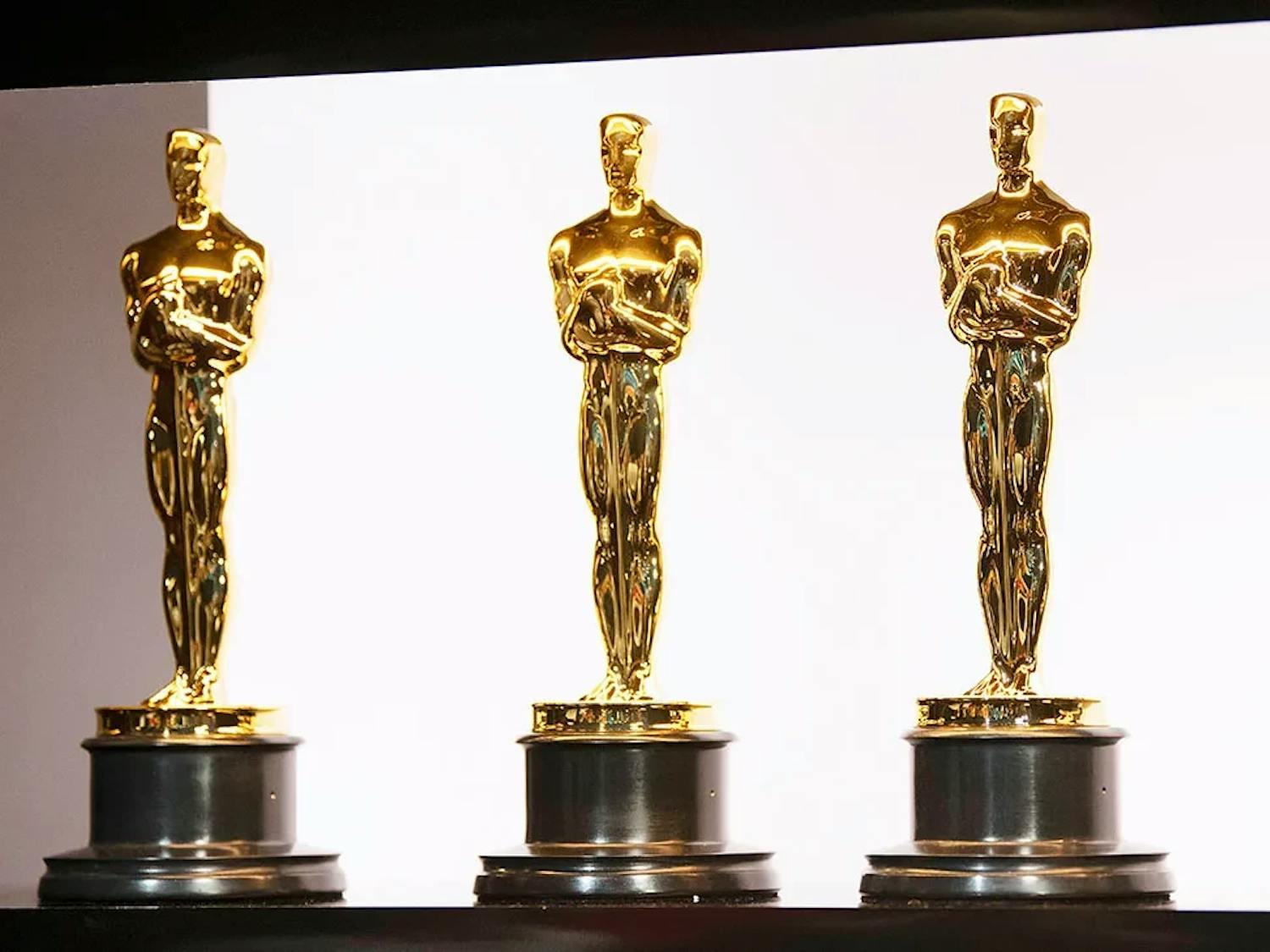
By Emiliano Magana | March 14The Academy Awards will take place on March 15, 2026. With the list of nominees being released and Oscar voting being finished, it has left cinephiles with the doubt of who will be the winners in certain categories. Besides the doubt, questions have been raised about the categories, such as: will Paul Thomas Anderson finally get his long-awaited Oscar? Could “Sinners” break another record after beating “All About Eve” (1950), “Titanic” (1997) and “La La Land” (2016) in the most nominations received by a film in an edition of the Academy Awards? Who will win the newly introduced category of “Casting” in this Oscar’s Edition? With that being said, I have decided to share who I think are the dark horses, who got snubbed of nominations and who will be the winners of some of the major production categories in this Oscars edition.
Part one: The 98th Academy Awards predictions – The dark horses, the snubbed nominees and the winners
By Emiliano Magana | March 11With the Academy Awards taking place on March 15, 2026, the acting categories seem to be close to shaping the way for a winner after a competitive award season, in which the Best Actor, Best Supporting Actor and Best Supporting Actress had different winners at the Golden Globes, British Academy of Film and Television Arts (BAFTA) and Screen Actors Guild (SAG) awards. However, for Best Actress, Jessie Buckley seems to have secured herself her maiden Oscar win after a major sweep in the award season. The unsettled Oscar races have raised questions such as: Will Timothée Chalamet finally get his long-desired Oscar? Will Amy Madigan bring the golden statuette back to the horror genre? Will Sean Penn win his third Oscar? With that being said, I present who I believe are the dark horses, the snubbed nominations and the winners at this Oscars edition.
REVIEW: The bestselling rock album of each decade: ‘60s to 2000s
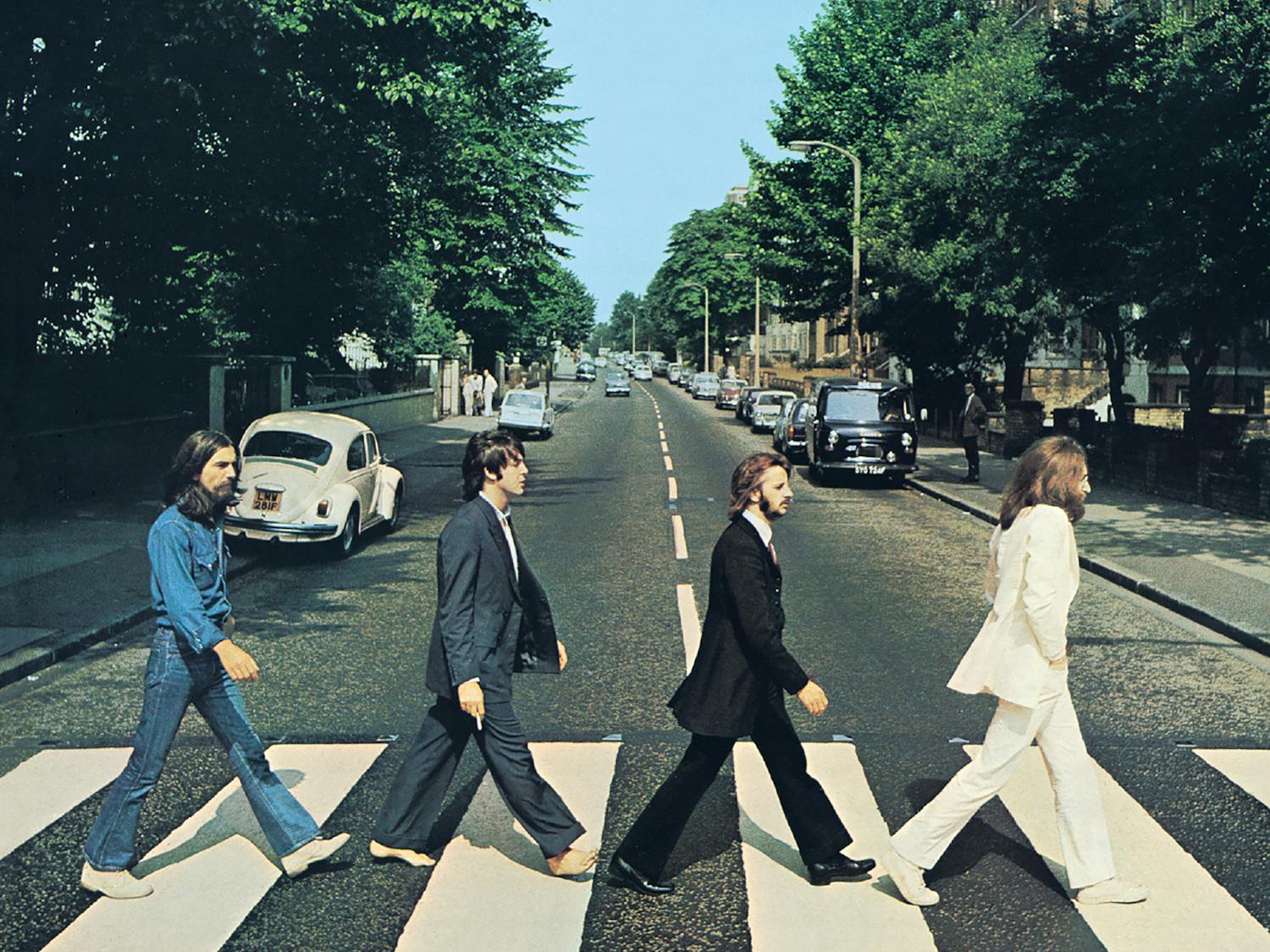
By Samantha Stapleton | March 2The bestselling rock albums from each decade effectively show how rock has been influenced and changed over time. From The Beatles to Nirvana, from country rock to punk rock, there is something for everyone within this 50-year range of rock and roll.
