
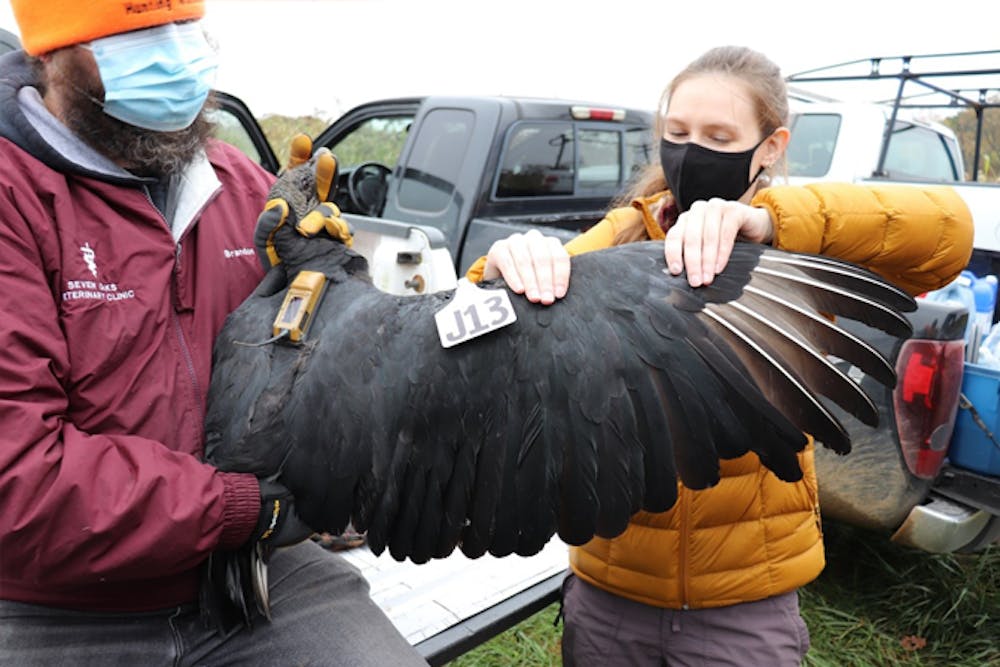
International Vulture Awareness Day, observed the first Saturday in September, was established in 2006 by the Hawk Conservancy Trust of England and the Endangered Wildlife Trust's Birds of Prey Programme of South Africa. The day exists to draw attention to a group of birds whose diet tends to keep them off most people's list of animals worth saving.
Indiana has two native vulture species, the turkey vulture and the black vulture. Both are common enough to circle over Indianapolis neighborhoods on a warm afternoon. One of them is also at the center of an ongoing conflict between farmers, federal regulators and researchers about 90 miles south of campus.
Black vultures are relative newcomers here. Historically a southern species, they have pushed north over the past few decades as the climate warms and land use changes, according to Purdue University. They now appear statewide but stay most common in southern counties.
That expansion brought trouble with it. Turkey vultures scavenge almost exclusively. Some black vultures do more than that, harassing and killing newborn calves, lambs and other young livestock during calving season.
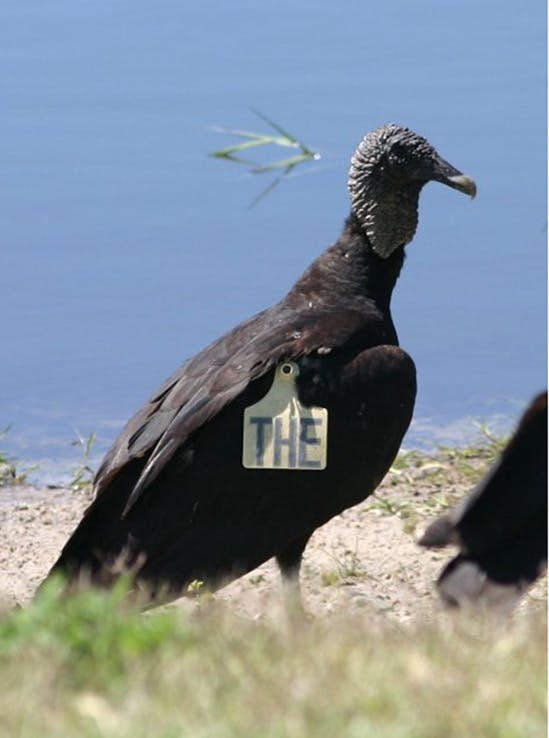
Both species are protected under the Migratory Bird Treaty Act of 1918, which means killing one requires a federal depredation permit. In 2021, Indiana Farm Bureau secured a statewide permit from the U.S. Fish and Wildlife Service allowing it to issue up to 100 sub-permits a year to members, covering cattle, horses, sheep, goats and swine. Approved applicants may take a maximum of five birds, and the permits apply to black vultures only. Indiana DNR does not require a separate state permit, according to its Division of Fish and Wildlife, though the federal permit or a Farm Bureau sub-permit is still required.
How often the attacks actually occur is still an open question. Purdue wildlife science professor Patrick Zollner and doctoral student Marian Wahl have spent years tracking black vultures across Indiana and Kentucky with GPS telemetry and field trials, working to understand what turns some birds predatory and how to distinguish an animal that was killed from one that was scavenged. "Black vultures are relatively new to Indiana and Kentucky," Wahl said. Zollner has said the basic frequency of predation remains unknown in Indiana and most other places.
Beyond that conflict, vultures do work that almost nothing else does. Most species eat dead and decaying animals nearly exclusively, and in doing so they cut down on odor and limit the spread of diseases including plague and botulism, according to National Geographic. Strong stomach acid and hardy immune systems let them consume carcasses that would sicken other scavengers.
The two Indiana species find that food differently, which is why they are so often seen together. "Black vultures rely more on sight and social learning to locate food," wrote James Murray of the Institute for Environmental Research and Education. Turkey vultures, by contrast, locate carcasses by smell, an unusual ability among birds, and black vultures follow them to it.
Globally, vultures are in serious decline. Species face habitat destruction, hunting and poisoning from feeding on carcasses of livestock treated with veterinary drugs. The anti-inflammatory diclofenac killed tens of millions of vultures across South Asia beginning in the 1990s.
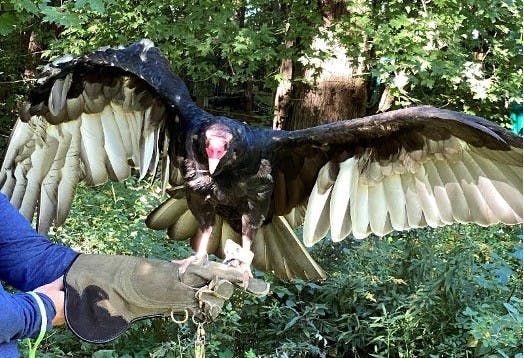
Where scavengers disappear, researchers have documented shifts in predator and prey dynamics as other animals move in to fill the gap. "The consequences of this decline extend far beyond the birds themselves," wrote Chris Weber for Animals Around the Globe. In parts of the world that lost their vultures, rabies, rats and feral dog populations climbed.
Turkey vultures are listed as a species of least concern, meaning they face a low risk of extinction. That status does not exempt Indiana birds from the pressures affecting vultures elsewhere.
For a look at a species in real trouble, the Indianapolis Zoo cares for Rüppell's griffon vultures, a critically endangered bird native to sub-Saharan Africa. The zoo recommends cutting back on pesticide use as one way to protect birds locally, since those chemicals move up the food chain and sicken larger animals.
Vultures keep ecosystems clean and, in the process, keep people healthier. When they disappear, the mess they handled does not.
Devin Bates (they/he) is a journalism major at IU Indianapolis with an interest in writing and the arts. In their free time they can be found working on their project cars or writing, but he also enjoys crafts like cosplay and listening to music or gaming.

Dolly Parton's free books reached every Indiana county in April. She died five months later.
By Devin Bates and Zeid Alsalloum | Aug. 26Dolly Parton, the singer, songwriter and philanthropist known as the "Queen of Country," died Aug. 25 at 80. "After bravely facing a brief battle with cancer, Dolly departed her Earthly life today at the Vanderbilt-Ingram Cancer Center surrounded by loved ones," her representatives said in a statement. She died in Nashville.
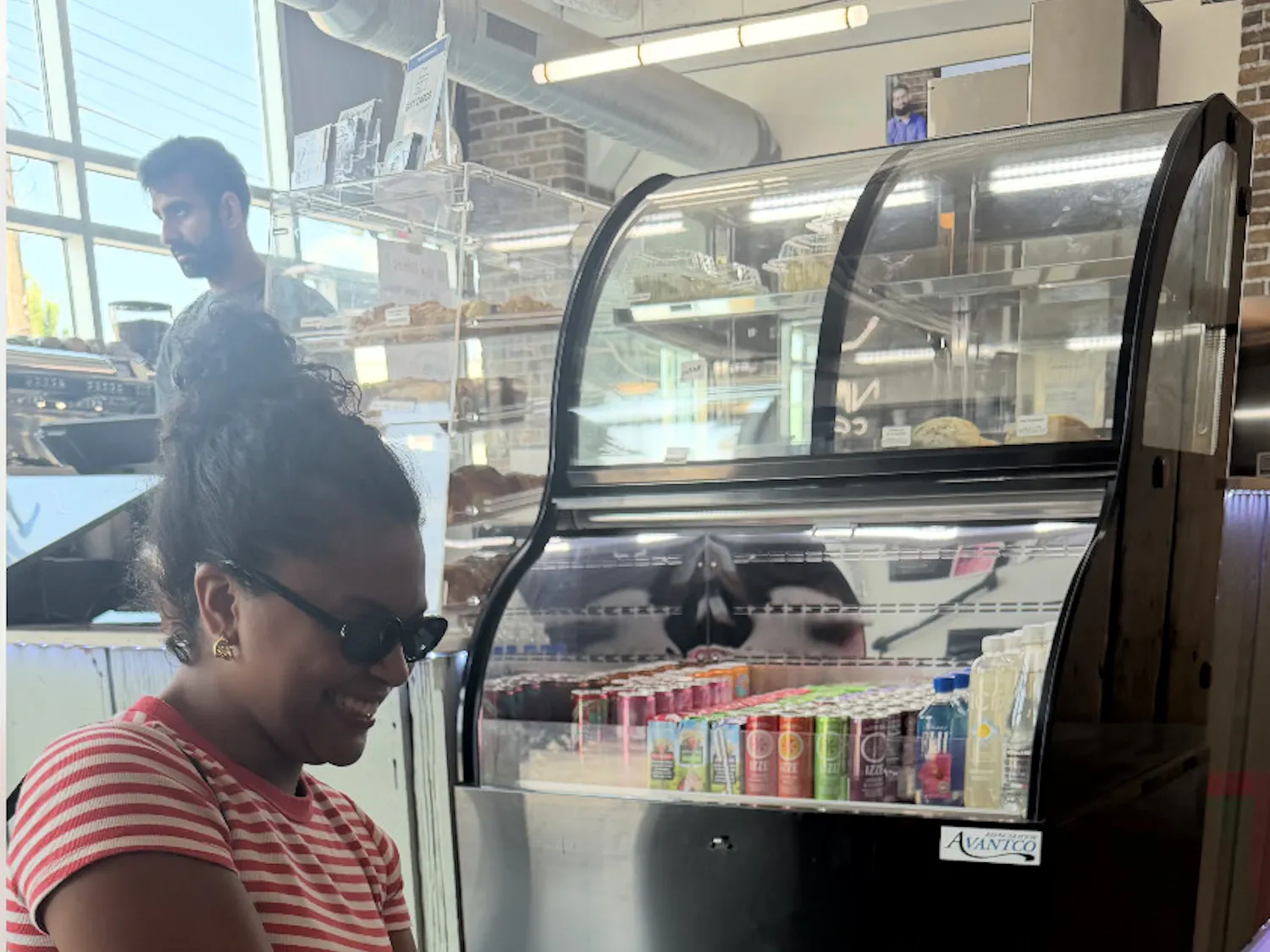
At Niyyah Coffee, orders come in sign language
By Zeid Alsalloum | Aug. 9Talha Tufail's Mass Ave shop is Indianapolis' first deaf-owned coffee shop, built as a place where deaf and hearing customers meet over the same counter.

Juneteenth marks the long road to freedom
By Salsabil F. Qaddoura and Zariya O’Yanna Burnes | June 19Juneteenth, shortened from "June Nineteenth," is a federal holiday that commemorates the emancipation of enslaved African Americans. Celebrated on June 19, it honors the anniversary of the day in 1865 when Union troops arrived in Galveston, Texas, to announce that the last enslaved people in the state were free. Widely observed as an African American holiday, Juneteenth marks the end of slavery in the United States.
